

China high-speed rail is one of the most useful systems for international travelers, especially when a trip connects major cities. It can be fast, comfortable, and easier than flying on some routes, but first-time visitors should understand how tickets, stations, luggage, and timing actually work.
This article is not a fixed itinerary. It is a practical guide to using high-speed rail as part of a China trip, with the kind of details travelers should confirm before booking hotels, guides, or transfers.
When high-speed rail makes sense
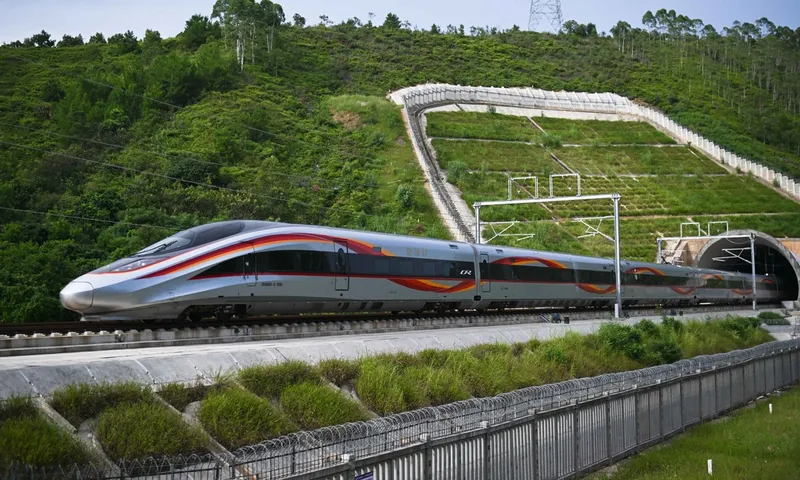
High-speed rail works best when the cities are well connected by frequent daytime trains and when the station locations fit your overall route. It is often useful for routes between major cities, because it avoids some airport procedures and usually brings travelers closer to the city center.
It may be less convenient when the rail journey is very long, when the station is far from your hotel, or when luggage and mobility needs make transfers difficult. The right choice depends on the whole travel day, not only the train duration.
What to confirm before buying tickets
Travelers should confirm the exact departure station and arrival station. Large cities may have several railway stations, and choosing the wrong one can add significant transfer time. The station name should be checked in English and Chinese.
- Confirm passport names match the ticket information.
- Check whether the train is a high-speed service and how long it takes.
- Review station transfer time from hotel or airport.
- Keep passport information consistent for every traveler.
- Save ticket and station details offline before travel day.
Station timing and the boarding process
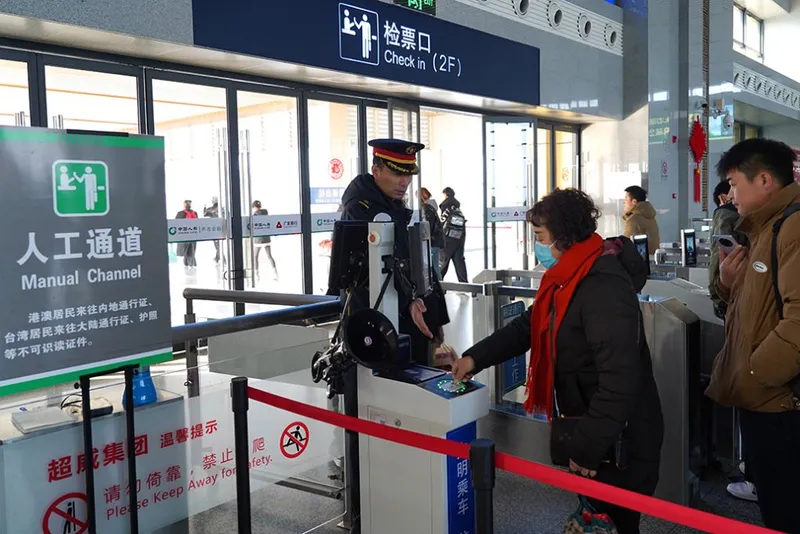
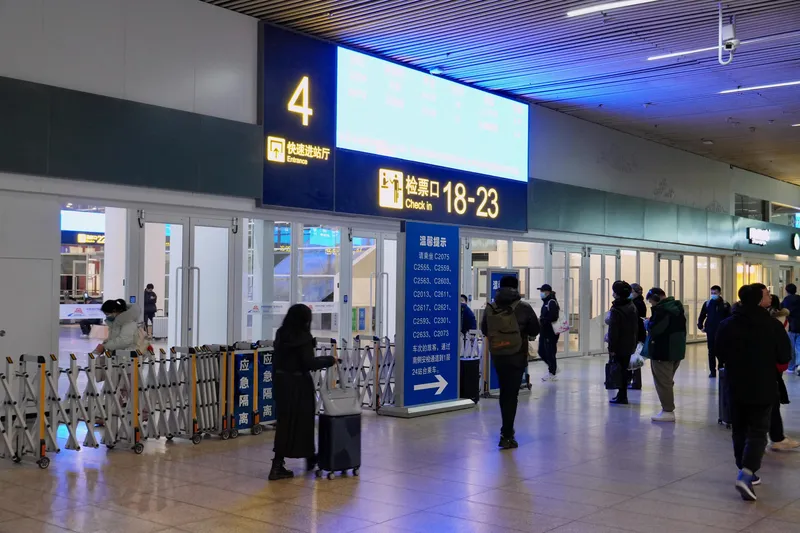
High-speed rail stations in China can be large. Travelers normally pass through security and ID checks, then wait in the correct waiting hall before boarding opens. For first-time visitors, arriving early is usually more comfortable than trying to cut timing close.
A practical buffer is especially important when traveling with children, elderly travelers, large luggage, or during national holidays. If a guide or driver is involved, the meeting point and drop-off point should be confirmed in advance.

Luggage and seat comfort
Rail travel is easier with compact luggage. Large suitcases may fit in luggage areas, but space can be limited on busy trains. A smaller main bag and a day pack usually make boarding, station walking, and hotel transfers more manageable.
Seat class depends on route length, budget, and traveler comfort. For longer journeys, some travelers prefer a quieter class with wider seating. For shorter trips, standard seating may be perfectly adequate.
Where support helps most
Independent travelers can use high-speed rail successfully, but local support is valuable when the rail day connects to other services. For example, a morning train followed by a guided site visit needs realistic timing. A late arrival may require a driver who knows the correct station exit.
Jiangmi Travel can help clarify transfer timing, station choices, luggage expectations, and how a rail segment fits into the broader confirmed service plan.
Common mistakes to avoid
- Booking the correct city but the wrong station.
- Leaving too little time for security checks and walking inside the station.
- Planning a heavy sightseeing day immediately after a long rail transfer.
- Carrying more luggage than the group can comfortably manage.
- Assuming English signage and communication will solve every issue.
How this connects with first-trip planning
Rail planning should be part of the wider trip structure. Entry preparation, payment setup, hotel location, and local communication all affect how smoothly a rail day works. For the broader checklist, see Planning a First Trip to China: What International Travelers Should Know.
Bottom line
China high-speed rail can make a trip more efficient, but it works best when travelers treat the station process as part of the travel day. Confirm station names, ticket details, luggage plans, timing buffers, and local support before relying on rail as the backbone of the journey.