

A first trip to China is easier when travelers separate two decisions: what they want to experience, and how the trip will actually work on the ground. The second part is where many overseas visitors feel uncertain: entry rules, payment apps, language, trains, local timing, and who to contact if plans change.
This guide is written as a practical preparation checklist for international travelers. It avoids trying to cover every destination in China and instead focuses on the decisions that make the first trip smoother, clearer, and easier to verify before booking.
1. Start with a realistic route, not a long wish list
China is large, and travel distances can be longer than they look on a map. A first trip usually works better when it focuses on a few places with enough time for transfers, rest, and unexpected delays. Trying to cover too many cities often creates a trip that looks impressive online but feels rushed in reality.
A practical first route should answer four questions:
- How many hotel changes are involved?
- Which transfers require flights or high-speed rail?
- Which days need a guide, driver, or local support?
- Where should the pace be slower for recovery or weather changes?
For many travelers, the best first itinerary is not the longest one. It is the one where the daily plan, transport, and support are clear before payment.
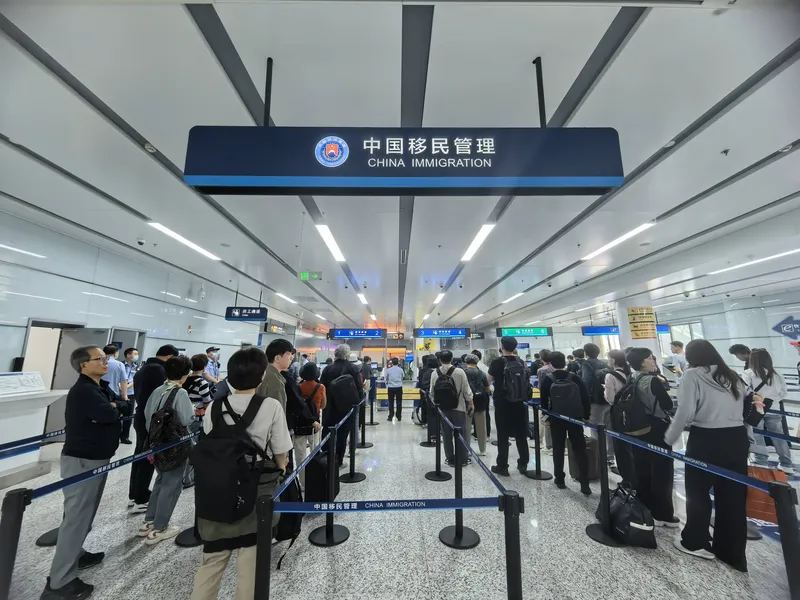
2. Check entry rules with official sources before final payment
China entry rules can differ by nationality, itinerary, passport validity, visa type, and transit situation. Some travelers may need a visa before departure, while others may qualify for visa-free entry or transit policies depending on the route and current rules.
Before paying for non-refundable services, check official government or consular sources and confirm that your passport, arrival city, departure city, and travel dates match the rule you plan to use. If you are using a transit policy, the exact entry and exit routing matters.
Jiangmi Travel can help travelers organize itinerary details for discussion, but official eligibility should always be verified through the relevant authority or consulate.
3. Prepare payments before you arrive
China is highly mobile-payment oriented. International cards are accepted in many hotels and higher-end businesses, but smaller restaurants, taxis, shops, and local services may expect mobile payment. Cash can still be useful as a backup, but relying only on cash or an overseas credit card can create friction.
Before departure, travelers should prepare at least one mobile payment method that supports foreign visitors, check card linking, and understand any transaction limits. It is also sensible to carry a backup card and a small amount of local currency for emergencies.
If your trip includes private services, ask in advance which payments are handled before arrival and which local expenses may be paid during the trip.

4. Plan communication, not just translation
Translation apps are useful, but they do not solve every travel situation. Train stations, restaurant menus, attraction entrances, taxi pick-up points, and hotel front desks can still be confusing when timing or location details are involved.
Good trip preparation should include:
- Hotel names and addresses in Chinese.
- Emergency contact details saved offline.
- Driver or guide contact channels when service is arranged.
- Clear meeting points for stations, airports, and attractions.
For a first visit, local coordination often matters more than a beautiful itinerary document. Travelers should know who can answer practical questions once they are in China.
5. Understand how high-speed rail and domestic transfers affect the day
High-speed rail can be an efficient way to connect major cities, but the station process still needs time. Large stations can involve security checks, ID checks, waiting halls, gate changes, and walking distances that surprise first-time visitors.
For most long-distance train days, build in a comfortable buffer rather than treating the train departure like a subway ride. Compact luggage also makes rail travel easier, especially when boarding is busy.
For more detail, see our related guide: Using China High-Speed Rail as an International Traveler.

6. Decide where official support is useful
Not every day of a China trip needs a guide or private driver. But certain moments are worth clarifying before booking: airport arrival, railway transfers, major historical sites, family travel logistics, dietary needs, payment questions, and any city where language barriers may affect the experience.
Jiangmi Travel is most useful when travelers want the trip to feel verifiable before they commit: who is communicating, what is confirmed, what remains flexible, and how local coordination works after confirmation.
7. Use a booking checklist before committing
Before final confirmation, ask for a clear answer to these points:
- What service is included and what is not included?
- Which days have guide, driver, or transfer support?
- What information is needed from each traveler?
- How are timing changes or urgent questions handled?
- Which payment steps are official and traceable?
A good first China trip should not depend on guessing. The more clearly these points are handled before departure, the smoother the trip usually feels on arrival.
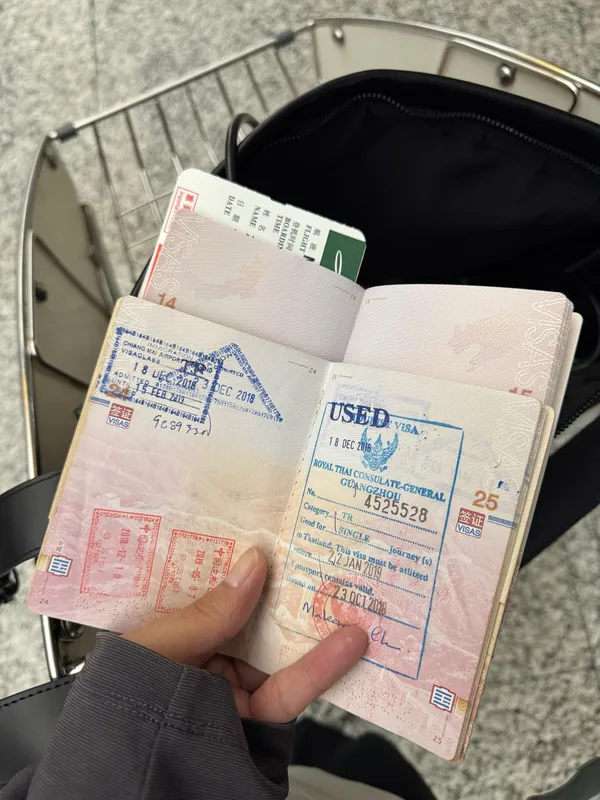
Official resources to check
Rules and systems can change. For entry, payment, and transport details, travelers should also review official resources such as China immigration or consular guidance, official payment-service guidance for foreign visitors, and China Railway passenger information.
Bottom line
A first trip to China can be deeply rewarding, but it should be planned with realistic pacing and verifiable support. Focus on the route, entry preparation, payments, communication, transport, and official booking steps before adding more destinations. That approach gives travelers a stronger foundation than a long list of attractions.
Payment planning is part of that preparation. For daily spending, compare app payments, cards, cash, and ATM backup in our guide to how international travelers can pay in China with Alipay, WeChat Pay, cards, and cash.