
Food is a major part of traveling in China, but visitors with food allergies or dietary restrictions need more preparation than simply translating a few menu words. Ingredients can appear in sauces, broths, oils, marinades, dumpling fillings, shared hot pot bases, street snacks, and condiments. A dish that looks simple may still contain an ingredient you need to avoid.
This guide is for travel preparation, not medical diagnosis or treatment. If you have a serious allergy or a medical diet, follow your doctor or allergist's advice, carry the medication prescribed for you, and use your own emergency plan as the final authority.
Prepare Before the Trip, Not at the Restaurant Table
The most important allergy work happens before you leave home. Write down what you cannot eat, what can happen if you eat it, what staff should do if a mistake happens, and what medication you carry. Keep this information in English and Chinese, and save it offline on your phone.
FARE recommends carrying a chef card that outlines foods you must avoid, and provides templates in multiple languages including Simplified Chinese. Official source: FARE Food Allergy Chef Cards.
Do Not Rely Only on Spoken Translation
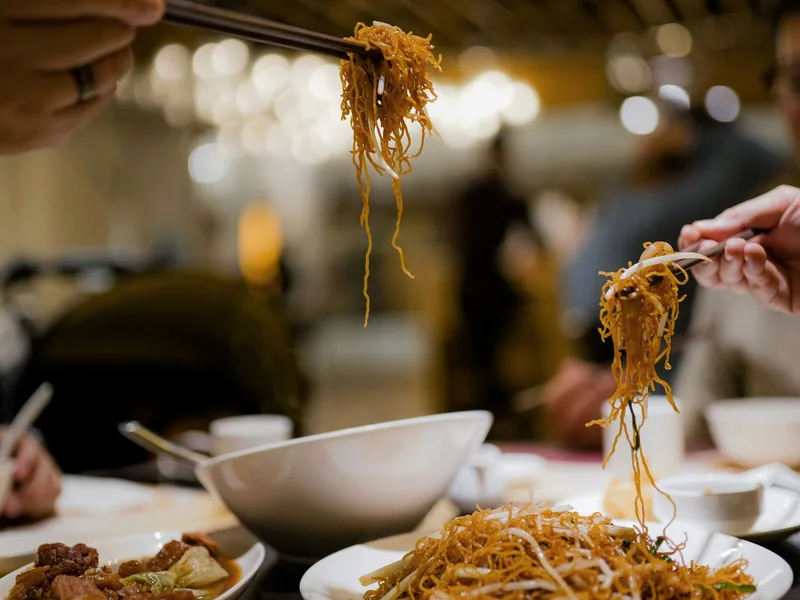
Verbal translation can fail in a noisy restaurant, at a busy market stall, or when several people are ordering at the same time. A short written card is easier for restaurant staff to read, show to the kitchen, and compare against ingredients. If your allergy is severe, show the card before ordering, not after the food arrives.
Keep the wording direct. Instead of a long story, use clear phrases such as "I cannot eat peanuts or peanut oil", "I cannot eat shellfish", "I have a severe allergy", or "Please do not use shared oil, broth, or utensils if possible". Then accept that some restaurants may not be able to guarantee safety.
Learn the Ingredient Words That Matter to You
For China travel, learn the Chinese names for your specific allergens and related ingredients. Common examples include peanuts, tree nuts, sesame, shellfish, fish, egg, milk, wheat, soy, pork, beef, alcohol, and gluten-containing sauces. If your diet is vegetarian, vegan, halal, kosher, low-sodium, or medically restricted, prepare the exact words you need instead of using only a broad label.
FARE's travel guidance advises travelers to learn allergen names in the local language, understand common foods that may contain the allergen, and keep safe snacks accessible in carry-on luggage. Official source: FARE Traveling Abroad.
Watch for Hidden Ingredients in Chinese Dining
Some risk points are easy to miss. Peanut, sesame, soy, wheat, egg, seafood, pork, alcohol, and dairy can appear in sauces, soup bases, chili oils, dressings, marinades, dumplings, noodles, breading, desserts, and packaged snacks. Hot pot and shared dishes can also create cross-contact because many ingredients enter the same pot, tray, chopsticks, or ladle.
If cross-contact is dangerous for you, be cautious with buffets, street food stalls, open condiment bars, hot pot restaurants, barbecue skewers, and very busy kitchens. These places can be enjoyable for many travelers, but they are harder environments for strict ingredient control.
Choose Restaurants With Communication in Mind
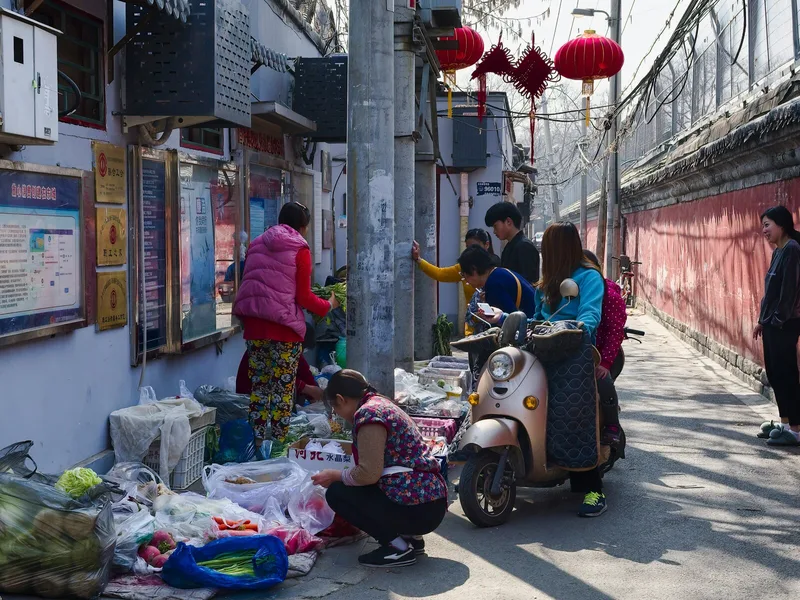
The safest-looking restaurant is not always the most famous one. For allergy communication, you may be better served by a calmer restaurant with seated ordering, staff who can pause and read your card, and dishes that can be explained clearly. A crowded peak-hour restaurant may not be the best place to test a complicated dietary request.
When possible, eat slightly earlier than the main rush. Show your card before choosing dishes. Ask about sauces, broth, oil, garnish, and shared cooking surfaces. If staff seem unsure, treat that uncertainty seriously and choose a simpler option or leave.
Build Backup Food Into Your Travel Day
A dietary backup is not a luxury. It protects the day when a station is crowded, a restaurant cannot confirm ingredients, a flight is delayed, or the only available food does not fit your needs. Carry familiar packaged snacks in your day bag and keep extra food in your hotel room if your diet is strict.
For busy movement days, pair allergy planning with ordinary meal planning. Read how to plan meals on a China travel day for timing, water, station meals, snacks, and group meal expectations.
Carry Medication Where You Can Reach It
If you are prescribed emergency medication, keep it with you in your carry-on or day bag, not in checked luggage or a large suitcase that may be stored away. Check expiration dates before travel. Keep medication in original packaging when possible, and carry a doctor's note or prescription information if your situation requires it.
CDC Yellow Book guidance for severely allergic travelers notes that medications can have different availability and names abroad, and advises travelers to have an updated anaphylaxis action plan, review proper injectable epinephrine use, and keep identifying original packaging with the medication. Official source: CDC Yellow Book: Severely Allergic Travelers.
Think About Security Checks and Temperature
Medicine, medical devices, special food, and liquids may raise questions at airports, railway stations, museums, and attraction security checks. Keep them organized and easy to explain. If your medication has storage temperature limits, plan how you will handle summer heat, long walking days, trains, taxis, and hotel transfers.
For practical checkpoint habits, read how to prepare for security checks during China travel. If your phone stores medical notes, cards, and translations, also prepare battery backup using power bank and phone charging tips for China travel.
Food Allergy Planning Is Also Food Safety Planning
Allergy planning is separate from general food safety, but the two often meet during travel. If you must avoid getting sick because of medication, pregnancy, immune conditions, or a tight itinerary, be conservative with raw foods, undercooked seafood, uncertain dairy, and water safety.
CDC's China Yellow Book page advises safe food and water precautions and says travelers should avoid undercooked fish and shellfish and unpasteurized milk products; it also notes that tap water outside Hong Kong is not safe to drink even in major cities. Official source: CDC Yellow Book: China.
The U.S. Department of State also says tap water in China is generally not safe to drink, and advises using major bottled-water brands with intact seals and requesting no ice if concerned. Official source: Travel.State.gov China Travel Advisory.
Prepare a Small Emergency Communication Set
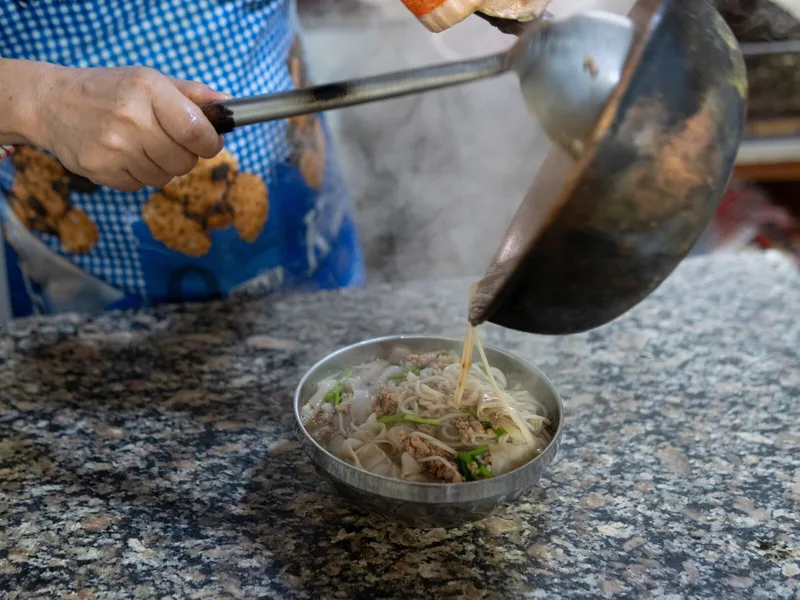
Save a short emergency note offline. It should include your name, allergy or dietary condition, emergency medication, emergency contact, hotel address, travel insurance contact if relevant, and the phrase you want someone to show a doctor or pharmacist. Keep one copy on your phone and one paper copy in your day bag.
For local emergency context, read emergency numbers and help contacts for China travel. For offline preparation, read what to save offline before traveling to China.
Simple Phrases and Questions to Prepare
- I have a severe allergy to this ingredient.
- Please show this card to the kitchen before ordering.
- Does this dish contain peanuts, sesame, shellfish, egg, milk, wheat, soy, or alcohol?
- Is peanut oil, sesame oil, broth, seafood sauce, or soy sauce used?
- Is this cooked with shared oil, a shared pot, or shared utensils?
- If you cannot confirm the ingredients, I will choose another dish.
- Please call emergency help if I have breathing trouble or a severe reaction.
Practical Checklist Before Departure
- Ask your doctor or allergist what medication and documents you should carry.
- Prepare allergy or dietary cards in English and Chinese.
- Learn the names of your allergens and common related ingredients.
- Pack safe snacks in carry-on luggage and the daily travel bag.
- Keep emergency medication accessible, not buried in checked luggage.
- Save hotel address, emergency contacts, and medical notes offline.
- Choose quieter restaurants when ingredient communication matters.
- Avoid high-risk dining formats if cross-contact is dangerous for you.
- Use sealed bottled water and be cautious with ice, raw foods, and undercooked seafood.
The Main Point
Traveling in China with food allergies or dietary restrictions is easier when your plan is visible, simple, and repeatable. A good card, clear ingredient words, safe snacks, accessible medication, and a backup meal plan reduce the number of decisions you must make under pressure.
The goal is not to make every restaurant risk disappear. The goal is to know your own limits, communicate early, leave situations that feel uncertain, and protect the travel day with practical preparation.