
Food is one of the best parts of traveling in China, but meals can become stressful when a day is packed with hotel check-out, station transfers, attraction entry times, long walks, and evening arrivals. The problem is rarely that food is hard to find. The problem is timing, language, payment, crowding, and not knowing when the next easy meal will actually happen.
This guide is about planning meals on a real travel day, not building a food itinerary. The goal is simple: stay comfortable, avoid rushing, and leave enough flexibility to enjoy local food when the day allows it.
Do Not Treat Meals as Empty Space
Many first-time travelers plan transport and attractions carefully, then assume meals will naturally fit somewhere in between. In China, that can work on a slow day. It becomes harder on a day with a morning train, large railway station, museum reservation, hotel transfer, or evening city change.
Meals need time for walking, choosing, ordering, waiting, eating, paying, and finding the next taxi, metro, gate, or entrance. A quick lunch may still take longer than expected if the restaurant is crowded or if the menu is unfamiliar. Build meals into the day instead of hoping they will fit later.
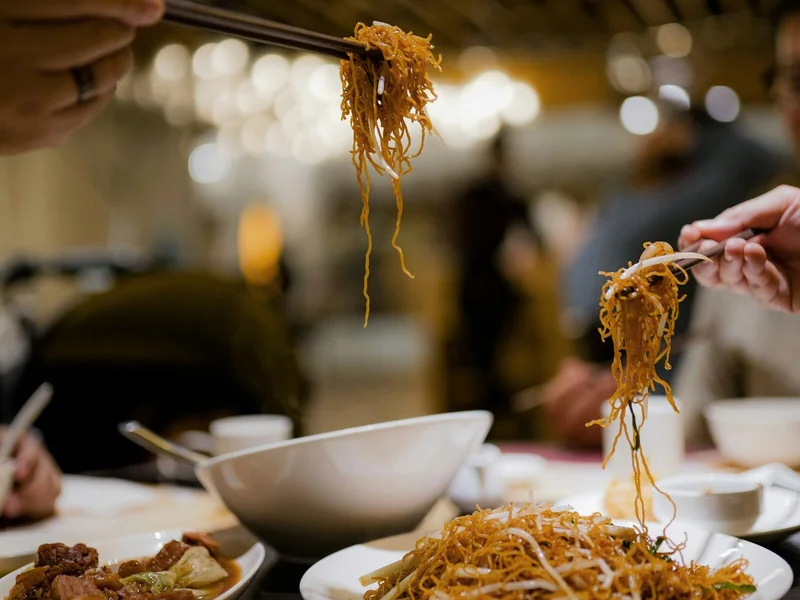
Start With a Reliable Breakfast
On a busy China travel day, breakfast is not just a meal. It is insurance. If the morning includes hotel check-out, luggage, a train station, airport transfer, or long attraction queue, do not depend on finding a perfect local breakfast after leaving the hotel.
A simple hotel breakfast, nearby bakery, convenience-store option, or packed snack can be enough. The important thing is to avoid starting the day hungry while carrying luggage or trying to solve transport details. This is especially important for children, older travelers, and anyone who needs regular medication with food.
If the day begins right after arrival, pair this with a realistic first-day plan. The guide to planning a comfortable arrival day in China explains why the first hours should stay simple.
Carry a Small Food Backup
A small food backup can prevent a minor delay from becoming a bad travel day. It does not need to be a full picnic. A few familiar snacks, fruit, biscuits, nuts, or other easy items can help when a station is crowded, a restaurant closes between meal periods, or an attraction takes longer than expected.
Keep backup food in a day bag, not buried inside a large suitcase. Choose items that are not messy, do not leak, and can survive warm weather. If you travel with children, diabetics, older travelers, or anyone with strict dietary needs, this backup becomes more important.
Plan Water and Drinks Before You Are Thirsty
Long walking days, summer heat, dry winter air, and station transfers can make people tired faster than expected. Carry water or know where you will buy it. Convenience stores, station shops, hotel lobbies, and many attractions usually make this possible, but the timing still matters.
Do not wait until everyone is already tired and irritable. Add short drink breaks before long museum visits, before boarding trains, after long walks, and before moving to a less convenient area. If you have medication, baby formula, or health needs, plan water more carefully than a normal sightseeing day.
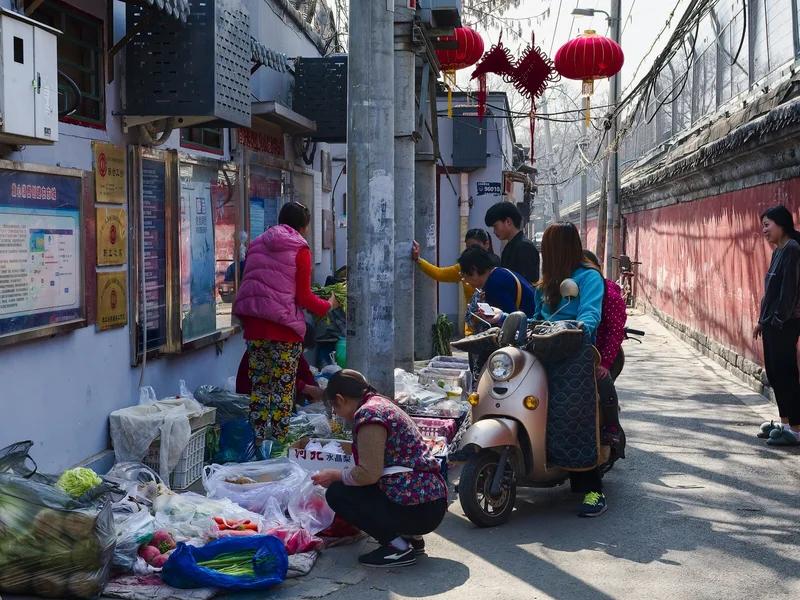
Use Stations Carefully, Not Optimistically
Large railway stations and airports may have restaurants, convenience stores, and takeaway options, but they are not always easy places for a relaxed meal. You may be carrying luggage, watching the time, passing security, waiting for gate information, or navigating a building you do not know.
If your train time is close, buy a simple snack or drink rather than attempting a full sit-down meal. If you want to eat properly at the station, arrive early enough that the meal is not competing with security, gates, and platform movement. The same logic applies after arrival: if the station is crowded and everyone is tired, it may be better to reach the hotel first and eat nearby.
For more station context, read what to know about large railway stations in China and luggage tips for China high-speed rail travelers.
Watch Attraction Timing and Meal Windows
Some attractions are easy to pair with nearby restaurants. Others involve reservations, security checks, long walking routes, limited exits, or peak-time crowds. If you schedule an attraction across normal lunch hours, decide whether you will eat before entering, carry a snack, or eat after leaving.
Do not assume food inside or immediately outside a famous attraction will be the most comfortable choice. It may be crowded, expensive, limited, or simply not match the group's needs. For a high-demand attraction day, the best meal plan may be a solid breakfast, a simple snack, and a proper meal after the visit.
The guide to popular attraction entry rules in China explains why timing, documents, and reservation windows can affect the rest of the day.
Prepare Dietary Needs in Plain Language
If you have allergies, religious dietary rules, vegetarian needs, medical restrictions, or strong dislikes, prepare short written notes in Chinese before travel. Keep the wording simple. A long explanation can be harder for restaurant staff to process than a clear phrase about what you cannot eat.
For serious allergies, do not rely only on verbal translation during a busy meal. Save a clear Chinese note offline and show it before ordering. If the risk is high, choose simpler restaurants, hotel restaurants, or places where ingredients are easier to confirm. Travel guides can help with planning, but medical and allergy decisions should stay conservative.
If you are already preparing Chinese hotel and transport details, add food notes to the same offline folder. See how to prepare Chinese addresses before your trip and what to save offline before traveling to China.
Keep Group Meals Realistic
Food planning becomes harder as the group gets bigger. One person wants noodles, another needs coffee, someone is vegetarian, someone wants to sit down, and someone just wants to reach the hotel. This is normal. The mistake is pretending every meal can be spontaneous when the day is already crowded.
For families and groups, decide which meals matter. Maybe one meal is a proper local restaurant, while another is a practical station or convenience-store stop. This balance is better than forcing every meal to be special and making everyone tired.
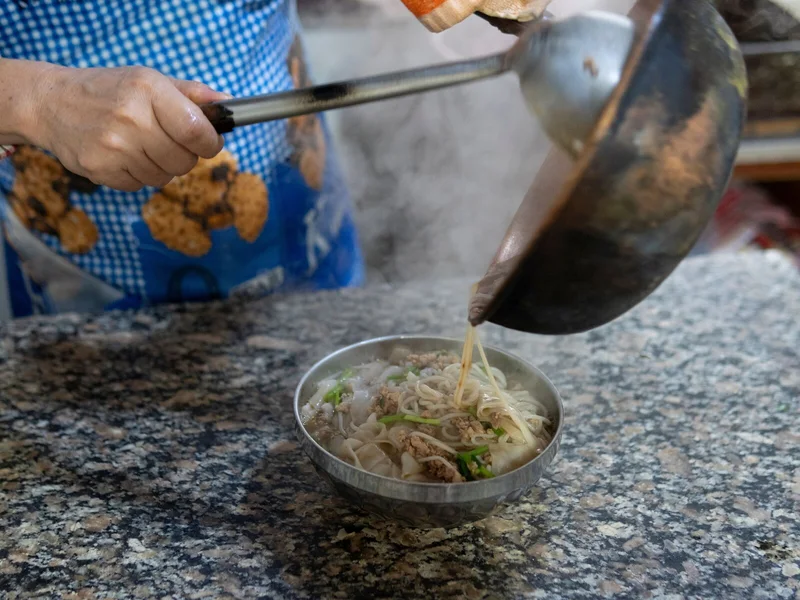
A Simple Meal Plan for a Busy Day
- Eat a reliable breakfast before luggage, stations, or long queues.
- Carry a small snack backup in the day bag.
- Buy water before long walks, trains, or attraction entries.
- Do not plan a relaxed meal too close to railway or airport departure time.
- Check whether attraction timing crosses lunch or dinner hours.
- Prepare Chinese notes for allergies, vegetarian needs, or strict dietary rules.
- Let one meal be practical if another meal is the food experience of the day.
- Give groups more time than solo travelers for choosing, ordering, and paying.
The Main Point
Meal planning in China does not mean removing spontaneity. It means protecting the travel day from avoidable hunger, rushed decisions, and tired arguments. When breakfast, snacks, water, and one realistic meal window are planned, the rest of the day becomes easier.
China has plenty of good food. A small amount of planning helps you enjoy it at the right moment instead of searching for it when everyone is already out of energy.