
Museums and popular attractions in China are not always walk-in stops. Some require real-name reservations, some use timed entry, some close one day a week, and some stop admission well before the posted closing time. For international visitors, the main risk is not only missing a ticket. It is building a day around a place you cannot enter because the reservation, passport, gate, time slot, or security check was not planned correctly.
This guide explains how to prepare for major museums and high-demand attractions in China in a practical way. The exact rule changes by city and venue, so always check the official page of the place you plan to visit before the travel day.
Do Not Assume Every Attraction Works the Same Way
China has a wide range of visitor systems. A smaller local museum may allow same-day entry, while a famous national museum or historic site may require advance booking, real-name verification, a specific entry gate, and the original identity document used for booking. Some venues also have separate rules for special exhibitions, paid galleries, guided tours, or temporary crowd-control periods.
Shanghai Museum is a useful example of why you should check each venue separately. Its official English visit page lists separate hours and latest-entry times for Shanghai Museum East and the People's Square location, and currently states that reservation for individual visitors is not required. That does not mean every museum in China works this way. It means rules are venue-specific. Official page: Shanghai Museum visit information.
Check Whether Real-Name Reservation Is Required
Many popular sites use real-name reservations. This means the name and identity document used when booking must match the person entering the venue. For international visitors, the relevant document is often a passport, but some official systems also list foreign permanent residence cards or other approved documents. Do not book with one document and arrive with another unless the official venue instructions clearly allow it.
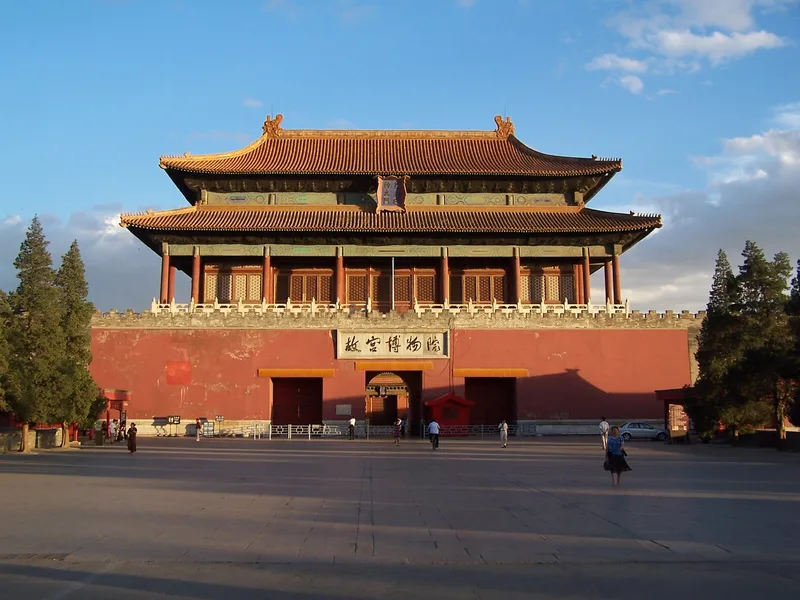
The Palace Museum's official ticketing page says it uses real-name reservation and ticket checking. It states that non-mainland Chinese visitors may use documents such as passports for booking and entry, and that visitors must bring the original valid document used for the reservation. It also states that the Meridian Gate, or Wumen, is the entrance for visits. Official ticketing page: Palace Museum official ticketing.
Understand the Booking Window
Some popular attractions open reservations only within a limited window. The window may be 7 days, 14 days, or another period, and tickets or reservation slots can disappear quickly during holidays, weekends, school vacations, and major exhibitions. If the place is important to your itinerary, check the reservation window before finalizing hotel nights and transport times.
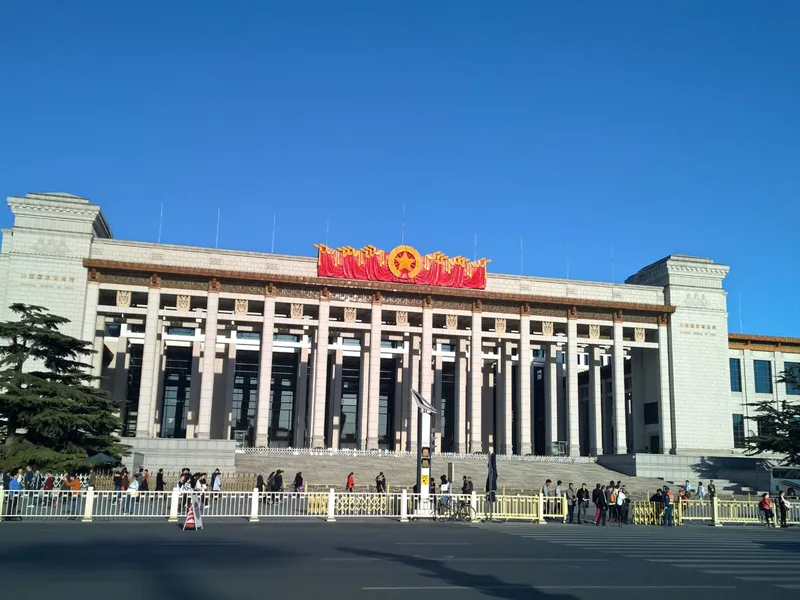
The Palace Museum ticketing page says tickets and exhibition reservations open 7 days before the visit date at 20:00. The National Museum of China's English visit page also describes a reservation-based entry system and says visitors may make reservations up to 7 days in advance through the official website. Official page: National Museum of China visit information.
Time Slots Matter More Than Closing Time
Travelers often look only at the closing time, but many museums stop entry earlier. A venue may close at 17:00 or 17:30 while last admission is 16:00, 16:30, or 17:00. If you arrive after last admission, the fact that the building is still open may not help you.
The National Museum of China homepage highlights last admission at 16:30 and closing at 17:30. Its visit page also explains reservation time slots and says visitors who miss the reserved time slot will not be permitted to enter. Shanghai Museum's English visit page lists latest entry at 17:00 for Shanghai Museum East and 16:00 for the People's Square location. These details are exactly why attraction days should not be planned too tightly.
Bring the Original Passport, Not Only a Photo
For venues that require real-name entry, a passport photo on your phone may not be enough. Bring the original passport or the official document used for the reservation. If you are traveling with children, older relatives, or a group, make sure each person's document matches the reservation record.
This is not only a ticketing issue. Some areas also have security checkpoints before the attraction entrance, especially around major landmarks, museums, public squares, and transport hubs. If your route involves a security checkpoint, allow extra time and keep documents accessible instead of buried in luggage.
Separate the Main Ticket From Special Exhibitions
A main museum entry reservation does not always include every exhibition or gallery. Some temporary exhibitions, special halls, audio guides, guided tours, or premium experiences may require separate booking or payment. If there is a specific gallery you care about, check it directly rather than assuming the main reservation covers it.
The Palace Museum ticketing page notes that some halls and special exhibitions require advance reservation. The National Museum of China visit page also notes that some temporary exhibitions may require paid tickets, with details shown through official channels or exhibition pages. Build your plan around the exact exhibit, not only the museum name.
Plan the Right Entrance and Exit
Large attractions may have one required entrance and different exits. This matters for taxis, ride-hailing, metro exits, meeting points, and where you plan to eat afterward. If you arrive at the wrong side of a large site, the walk to the correct entrance can take longer than expected.
For example, the Palace Museum ticketing page states that visits enter through Wumen, the south entrance, and visitors may leave through Shenwumen or Donghuamen after the visit. That changes how you should plan the route before and after the attraction. For transport planning around big sites, also read how to take taxis and ride-hailing in China.
Leave Time for Security Checks and Walking
Security checks can add unpredictable time. Bags may be inspected, some items may not be allowed, and crowded entrances can move slowly. The National Museum of China visit page says valid ID documents are required during opening hours and visitors must go through security check, with prohibited items and pets not allowed.
Do not schedule a museum entry immediately after a long-distance train arrival, tight lunch, or cross-city taxi ride. If the reservation is hard to replace, arrive early and use the extra time for a nearby cafe, restroom, or short walk instead of risking a missed slot.
Watch Weekly Closures and Holiday Exceptions
Many museums close on Mondays or Tuesdays, but national holidays can change the pattern. Some attractions open on a usual closing day during a public holiday and close on another day instead. Some release special notices for Spring Festival, National Day, exhibition changes, maintenance, weather, or crowd control.
This is why you should check the official page again shortly before the visit, not only when you first build the itinerary. For holiday crowd planning, read how China public holidays affect travel plans. For weather-related route changes, see how to plan around weather during a China trip.
Save Reservation Records Offline
Before leaving the hotel, save screenshots of the reservation confirmation, venue name in Chinese, address, entry gate, time slot, ticket QR code if applicable, and the passport or document list required by the venue. Mobile data problems, low battery, login issues, or app language settings can make the gate process slower.
For a group, do not keep all confirmations on one phone. Share the details with another adult or save a second copy. For broader offline preparation, use what to save offline before traveling to China. For battery planning, read power bank and phone charging tips for China travel.
Do Not Overpack the Attraction Day
A major museum or historic site can easily take half a day when you include transport, security, walking, restrooms, lunch, photos, and the return route. Two large attractions in one day may be possible in some cities, but it can become rushed if both require reservations or if they are on opposite sides of the city.
For a first China trip, it is usually better to protect the attraction you care about most and treat the second stop as optional. If the first visit runs long, you still have a good day instead of spending the afternoon chasing a schedule that no longer works.
Practical Checklist Before You Go
- Check the official venue page, not only map or travel-platform summaries.
- Confirm whether real-name reservation is required.
- Use the same passport or document for booking and entry.
- Save the booking window and release time if the venue is high demand.
- Check last admission, not only closing time.
- Confirm the correct entrance gate, exit, and nearest metro or pickup point.
- Allow time for security checks, bag rules, and walking.
- Save reservation confirmations and venue details offline.
The Main Point
China's best-known museums and attractions can be very smooth if you treat them as planned appointments, not casual walk-ins. The key is to check the official rules, reserve early when required, bring the original document, protect the time slot, and keep a backup plan for crowds, closures, and transport delays.
Before each important visit, recheck the official venue page one more time. Rules can change for exhibitions, holidays, crowd control, or maintenance, and a five-minute check can protect the whole day.