
A phone is not just a phone during a China trip. It may hold your maps, payment apps, hotel address, train booking, attraction reservation, translation notes, ride-hailing details, and emergency contacts. That is why charging preparation matters more than many first-time visitors expect.
Power banks are useful, but they also come with aviation security rules. Travelers should prepare charging gear in a way that keeps the day practical and avoids problems at airport security, railway stations, attractions, and long city days.
Start With the Aviation Rule, Not the Shopping List
If you will take domestic flights in China, check your power bank before the trip. The Civil Aviation Administration of China announced that, starting June 28, 2025, passengers are prohibited from carrying power banks without CCC markings, with unclear CCC markings, or from recalled models or batches on domestic flights. You can read the official CAAC notice here: CAAC power bank notice for domestic flights.
This rule is important because many travelers buy or pack a power bank without checking the markings. Before flying inside China, look for clear product information, avoid recalled products, and do not carry old or damaged units that may create questions at security.
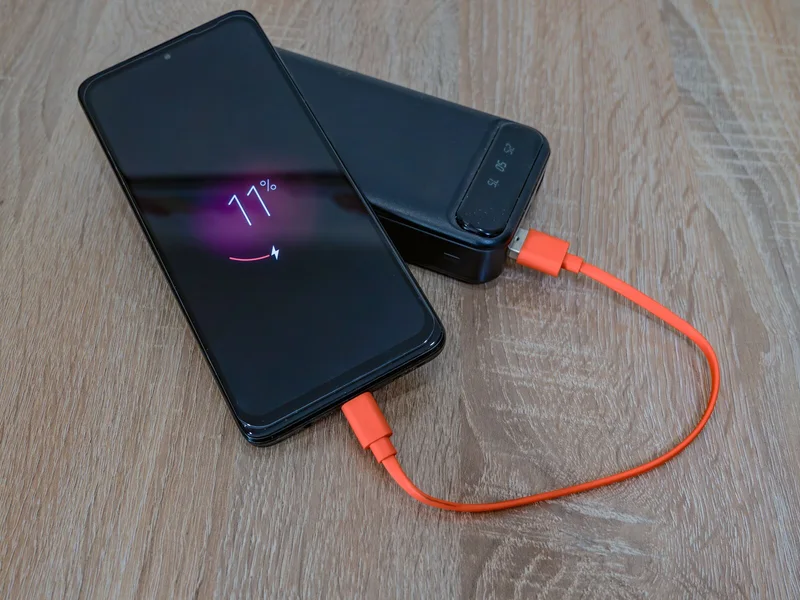
Carry Power Banks in Cabin Baggage
Spare lithium batteries and power banks should not be treated like ordinary accessories. They generally belong in carry-on baggage, not checked luggage. The U.S. Federal Aviation Administration's PackSafe guidance, which is useful general aviation safety context, says spare lithium batteries and power banks must be in carry-on baggage only, and if a carry-on bag is checked at the gate, those batteries should be removed and kept with the passenger. See the official FAA guidance here: FAA PackSafe lithium battery guidance.
For a China trip, the practical takeaway is simple: keep your power bank accessible in your cabin bag, protect it from short circuit, and do not bury it in checked luggage. If airline or airport staff give current instructions on the travel day, follow those instructions.
Check the Label Before You Leave Home
A good travel power bank should have clear labeling. Check the brand, capacity, rated energy if shown, safety markings, and physical condition. If the label is scratched, missing, unclear, or in conflict with current airline or airport rules, it may become a problem at security.
Do not bring swollen, damaged, overheating, or unreliable power banks. Do not pack a power bank that has loose ports, exposed wires, or signs of impact damage. A cheap or old device is not worth the risk if it delays a domestic flight day.
Phone Battery Is a Payment Issue
In China, phone battery planning is also payment planning. Mobile payment, QR codes, metro access, ride-hailing, maps, hotel address cards, translation, and attraction bookings may all depend on the phone being available at the right moment. A low battery can quickly become a practical travel problem.
If you plan to use WeChat Pay, Alipay, TenPayGo, a city metro QR code, or a ride-hailing app, do not let your phone drop to a critical level before a transfer or dinner. For payment preparation, read how international travelers can pay in China and what international visitors should know about TenPayGo.
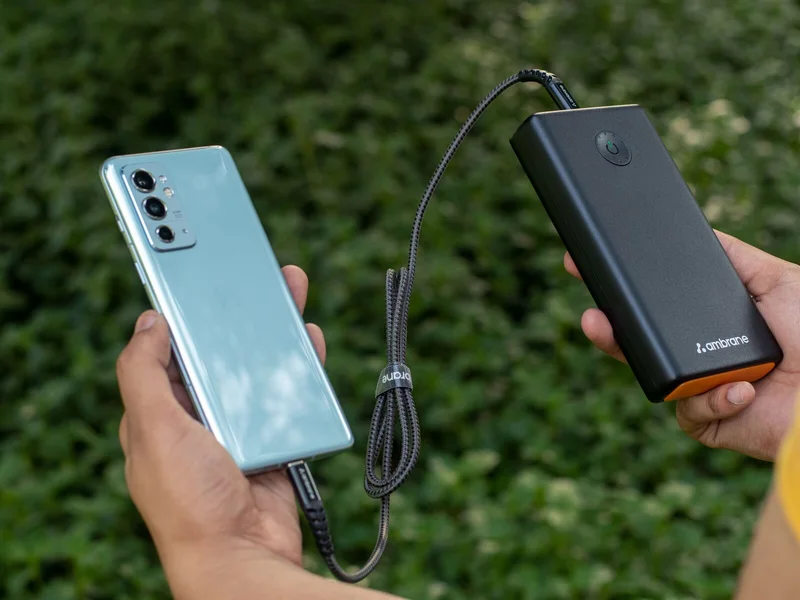
Use Charging Windows During the Day
Do not wait until the battery is almost empty. Charge during natural pauses: breakfast, a cafe break, a train ride, a hotel rest period, a museum stop, or while waiting at the airport. Short charging windows can prevent a difficult moment later.
If you are moving through a busy day with metro rides, attraction tickets, meals, and maps, treat 40 percent battery as a warning point rather than a comfortable reserve. On long travel days, one phone should not be responsible for every group's payment, navigation, and booking record unless it is being managed carefully.
Pack the Right Cable and Adapter
A power bank is only useful if the cable works. Pack the cable that matches your phone, plus a wall charger that supports the voltage range you need. China uses 220V power. Many modern phone chargers support 100-240V, but travelers should still check the printed label on their own charger before plugging it in.
Bring a small adapter if your plug shape does not fit common Chinese sockets. Avoid relying only on hotel front desks or airport shops for the exact cable you need. USB-C, Lightning, and other cable needs can vary across the group, so check everyone's phone before departure.
Keep Charging Gear Easy to Reach at Airports
Airport security is easier when charging gear is organized. Keep power banks, cables, and battery-related items in a pouch or a pocket that can be accessed quickly. If security staff ask to inspect the item, you should not need to unpack the whole suitcase.
This is especially important on domestic flight days after you have already been traveling for a while. A bag may be fuller, cables may be tangled, and people may be tired. Organizing the charging pouch before leaving the hotel can save time at the airport.
For broader flight-day preparation, see what to do if your flight to China is delayed, changed, or arrives late.
Save Key Information Offline
Even with a power bank, do not assume your phone will always be online and fully charged. Save important travel information offline: hotel address, Chinese address cards, passport copy stored securely, flight and train bookings, attraction reservation details, payment backup notes, and emergency contacts.
If the phone battery gets low or mobile data is weak, offline information reduces stress. Our guide to what to save offline before traveling to China explains how to organize this information before departure.
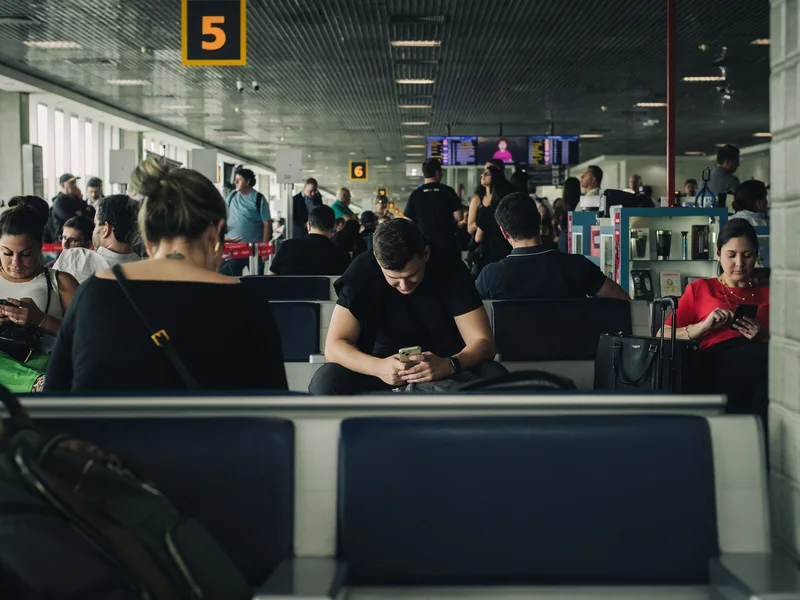
Think About Groups and Families
For couples, families, and small groups, do not let only one phone hold every critical detail. If one person has the payment apps, maps, train booking, and hotel address, the group becomes vulnerable if that phone runs out of battery or is misplaced.
Share essential offline notes with another adult, keep one backup card or cash option available, and make sure someone else knows the hotel address. This matters even more when traveling with children, older travelers, or anyone who may need medication, taxi help, or a slower pace.
Practical Charging Checklist
- Check whether your power bank has clear required markings before domestic flights in China.
- Avoid carrying recalled, damaged, swollen, or unclear power banks.
- Keep power banks in carry-on baggage, not checked luggage.
- Protect ports and terminals from short circuit.
- Pack the correct cable for every phone in the group.
- Check that your wall charger supports the voltage range you need.
- Charge during natural breaks instead of waiting until the battery is critical.
- Save hotel addresses, bookings, and emergency details offline.
The Main Point
A good charging plan is not complicated. Bring reliable gear, follow aviation rules, keep the power bank accessible, and treat phone battery as part of your payment and navigation preparation. If your phone stays useful, many other parts of a China travel day become easier.
Before flying, always check current airline, airport, and official civil aviation guidance. Rules can change, and airport staff instructions on the travel day take priority.