
Security checks are a normal part of travel in China. International visitors may meet them at high-speed railway stations, metro entrances, airports, museums, major attractions, public squares, and large venues. The process is usually quick, but it can become stressful if your bag is hard to open, your battery pack is unclear, your liquids are packed badly, or you arrive with no time buffer.
This guide explains how to prepare for common security checks during a China trip. Rules can differ by transport type, city, venue, and current notice, so use official instructions at the station, airport, metro, or attraction as the final authority.
Expect Security Checks in More Places Than Airports
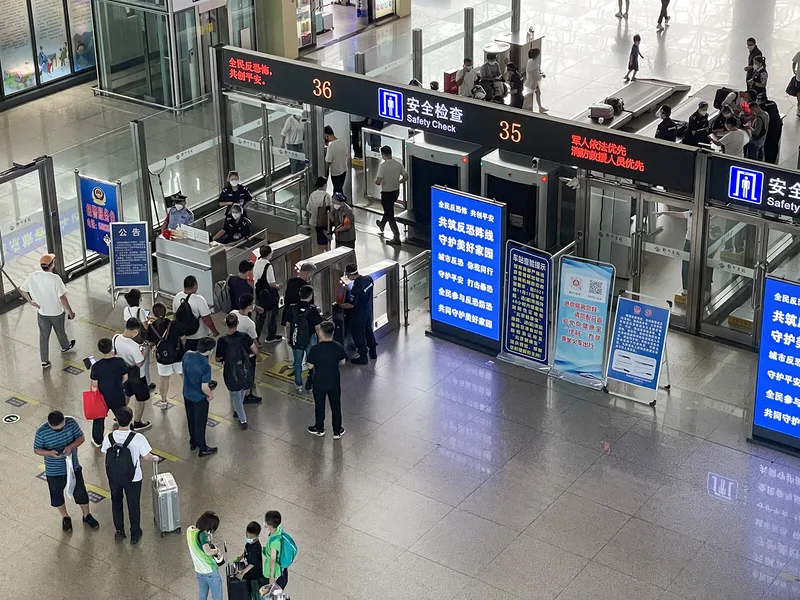
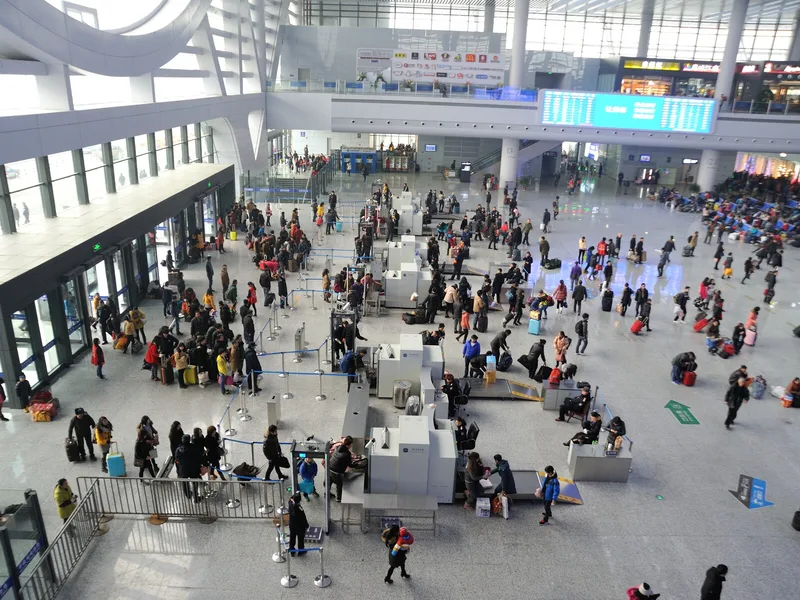
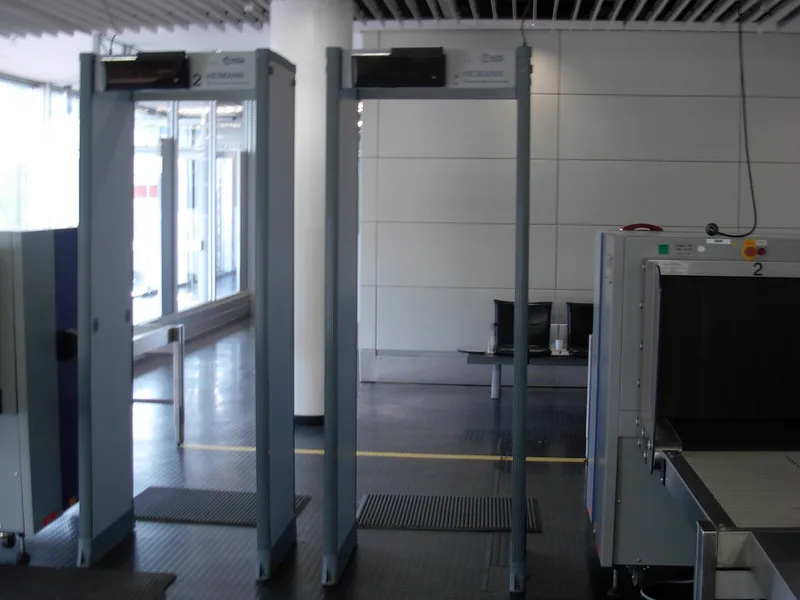
Many first-time visitors expect airport screening, but China also uses security checks at railway stations, metro entrances, some ferry or maglev stations, museums, large attractions, and sensitive public areas. You may need to place bags on an X-ray machine, walk through a security gate, show a ticket or passport, or let staff inspect specific items.
China Railway's official English FAQ says railway passengers and their carried belongings are subject to security checks, and advises travelers to reserve enough time because queues may occur. Official source: 12306 China Railway FAQ.
Pack So Your Bag Can Be Checked Quickly
A well-packed day bag saves time. Put passports, tickets, phone, wallet, power bank, camera batteries, medicine, and liquids in predictable pockets. Avoid burying small electronics and cables under clothing, souvenirs, food, or loose documents. If staff ask to inspect something, you should be able to find it without unpacking the whole bag on the floor.
For train and metro days, keep heavy luggage simple and organized. Large stations can involve stairs, escalators, ticket gates, security queues, waiting rooms, and boarding gates. For station movement, read what to know about large railway stations in China and luggage tips for China high-speed rail travelers.
Know That Metro Rules Can Include Size and Item Limits
Metro systems are convenient, but they are not always luggage-friendly. Some systems restrict very large items, bulky goods, animals, bicycles, scooters, or other objects that interfere with station safety and passenger flow. If your suitcase is huge or you are carrying unusual equipment, check the local metro rules before relying on it.
Shanghai's official English FAQ says items over certain weight, volume, or dimension limits are prohibited from entering metro stations, and also lists restrictions such as bicycles, inflatable balloons, and animals except guide dogs and police dogs. Official source: What can't I bring into a subway station?
Power Banks Need Extra Attention
Power banks are essential for travel in China, but they are also one of the items most likely to cause airport security problems. Keep them in carry-on luggage, not checked luggage, and make sure the capacity and markings are readable. For flights within or from mainland China, check the latest domestic aviation rules before departure.
CAAC announced that from June 28, 2025, passengers are prohibited from carrying power banks without CCC markings, with unclear CCC markings, or from recalled models or batches on domestic flights. Official source: CAAC power bank notice. For more detail, read power bank and phone charging tips for China travel.
Liquids, Sprays, Tools, and Souvenirs Need Judgment
Travelers often forget that ordinary-looking items can still create security questions: large bottles, alcohol, aerosol sprays, camping tools, knives, scissors, lighters, toy weapons, certain sports equipment, and sharp souvenirs. A souvenir that was fine in a shop may still be inconvenient at a station, metro, museum, or airport.
If an item is not essential, do not carry it on a busy transfer day. If it is important, check whether it should go in checked baggage, be shipped separately, or be avoided entirely. Do not argue at the checkpoint. Ask staff what option is allowed, and follow the local instruction.
Security Checks Can Affect Your Timing
Security checks are usually fast, but queues grow during public holidays, rush hours, rain, large events, and after train or flight delays. Build extra time before high-speed rail departures, airport check-in, museum reservation slots, and attraction entry times.
For high-speed trains, do not arrive at the station as if it were a small local train stop. You may need time for the station entrance, passport ticket check, baggage scan, waiting room, boarding gate, and platform access. For crowded periods, read how China public holidays affect travel plans.
Prepare for Attraction and Museum Entry Checks
Museums, major attractions, and public squares may combine ticket checks, real-name document checks, bag inspection, and security screening. If the visit has a reservation time, arrive early enough for both the queue and the walk from the nearest metro exit or drop-off point.
Keep the reservation confirmation, passport, phone, and any QR code easy to reach. Do not pack prohibited liquids, tools, large tripods, or bulky luggage unless the venue explicitly allows storage or entry. For attraction planning, read how to plan museum and popular attraction visits in China.
What to Do If Staff Ask to Inspect Something
Stay calm and keep the interaction practical. Put the bag on the table if asked, open the pocket staff points to, and avoid grabbing items suddenly. If language is difficult, show the item clearly and use a translation app for short phrases such as "medicine", "camera battery", "souvenir", "charger", or "for personal use".
If an item is not allowed, ask whether it can be discarded, stored, checked in, mailed, or handled through another official process. The answer may depend on the site and the item. If you are close to departure time, do not let one replaceable item risk a train, flight, or reservation.
Special Items Need Planning Before the Travel Day
If you carry medicine, medical devices, camera gear, drones, sports equipment, tools, liquids, large batteries, or professional equipment, do not wait until the checkpoint to think about it. Check airline, railway, metro, venue, customs, and manufacturer documentation where relevant.
For medicine and personal documents, keep the original packaging, prescription or explanation if needed, and your passport accessible. For electronics, make markings and capacity labels readable. If a label is damaged or unclear, staff may treat the item more cautiously.
Security Check Preparation Checklist
- Reserve extra time before trains, flights, museums, and major attractions.
- Keep passport, phone, ticket, QR code, and reservation details easy to reach.
- Pack electronics, batteries, liquids, medicine, and tools in predictable places.
- Check local metro rules if carrying large luggage or unusual items.
- Use readable power banks and check current aviation rules before flying.
- Avoid carrying sharp souvenirs, large sprays, flammable items, and tools on transfer days.
- Follow staff instructions calmly if an item needs inspection.
- Have a backup plan if a non-essential item must be discarded or stored.
The Main Point
Security checks in China are usually manageable when you expect them and pack with them in mind. The goal is not to memorize every rule. The goal is to avoid surprises by keeping important items accessible, leaving time buffers, and checking official rules for transport or venues that matter to your itinerary.
Before a busy travel day, review your bag once: passport, phone, payment, power bank, tickets, medicine, and any item that could slow a checkpoint. A few minutes of preparation can make stations, metro rides, airport transfers, and attraction visits much smoother.