
China is highly digital for everyday payments, but international travelers do not need to rely on one method only. A smoother trip usually comes from preparing a small payment mix: one mobile payment app for most daily spending, at least one international card for hotels or larger merchants, and some renminbi cash for backup.
This guide focuses on daily travel spending after arrival: meals, convenience stores, taxis, metro tickets, museum shops, local snacks, and small personal expenses. If you are paying a travel company for a formal itinerary, deposit, contract, or final balance, read what to confirm before paying for a China trip separately, because that is a different kind of payment decision.
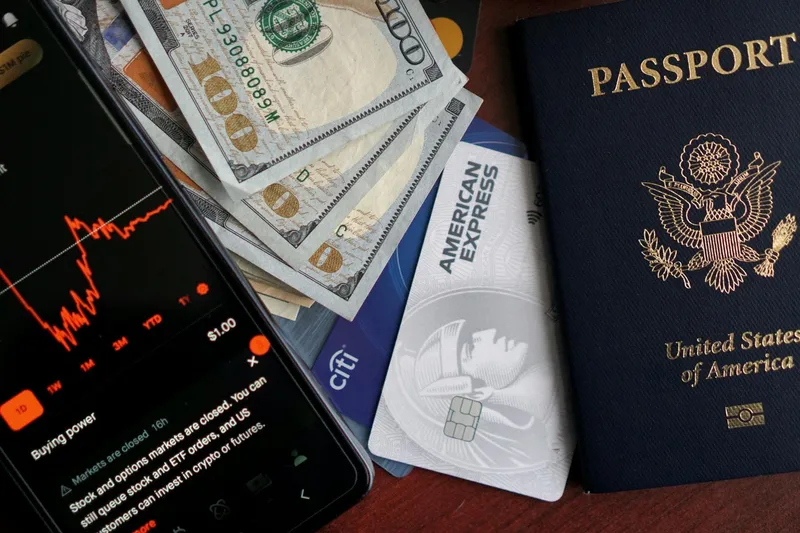
The Short Version
- Alipay and WeChat Pay are the most useful for day-to-day spending in China.
- International cards can work at many hotels, airports, larger retailers, and some restaurants, but they are not universal for small merchants.
- Cash remains legal tender and is useful as a backup, especially if your phone, app, network, or card verification has a problem.
- ATMs can help you get renminbi, but availability and card-network support vary, so do not wait until you are completely out of cash.
1. Alipay: Often the Easiest Daily Payment Tool
If you want a more detailed app-by-app walkthrough, use our separate guide on how to set up Alipay for China travel before departure.
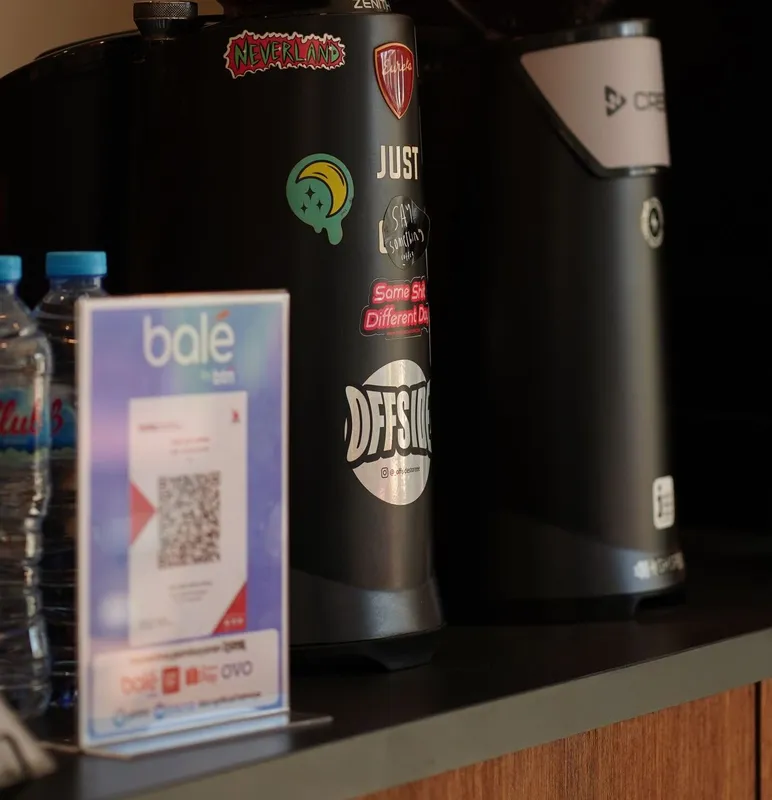
For many international visitors, Alipay is the easiest app to prepare before arrival because it is widely used for QR-code payments and can be linked to supported overseas bank cards. Once set up, it can be used in many common travel situations: convenience stores, cafes, restaurants, taxis, ticket counters, and some attractions.
Before travel, install the app, register with the same phone number you can access, add your overseas card, and complete any identity or card verification prompts while you still have stable internet. Do not wait until you are at a busy counter in China to do the first setup.
In use, there are two common patterns. Sometimes you scan the merchant's QR code and enter the amount. Sometimes the merchant scans your payment code. If you are unsure, show the app screen and let the cashier guide the direction. Keep your card issuer's app available too, because some banks may ask for security confirmation on the first few overseas transactions.
2. WeChat Pay: Useful When WeChat Is Part of Your Trip
For travelers who already communicate through WeChat, the detailed setup steps are covered in how to set up WeChat Pay for China travel.
WeChat Pay is also widely used in China. It can be especially convenient if you already use WeChat to communicate with local contacts, guides, hotels, restaurants, or service providers. Many travelers prepare both Alipay and WeChat Pay because acceptance patterns can differ by merchant.
The setup logic is similar: install WeChat, make sure your account is working, add an eligible overseas card, and test that your wallet or payment function is accessible before departure. If you are traveling with family, each adult should ideally have their own payment setup, not just one shared phone.
3. International Cards: Helpful, but Not Enough by Themselves
Visa, Mastercard, American Express, JCB, Diners Club, and UnionPay cards may be accepted in places that regularly handle international visitors, especially higher-end hotels, international airports, branded retailers, and some restaurants. Card acceptance is less predictable at small local shops, street food stalls, smaller taxis, and some domestic-facing ticket windows.
For this reason, a card-only plan is weak. Use cards where they work, but do not assume that every merchant with a counter can take your overseas card. Also tell your bank you will be in China if your card issuer still uses travel notices, and confirm your cash-withdrawal limit, foreign transaction fee, and PIN requirements before departure.
4. Cash: Still Important as a Backup
China's official guidance for visitors continues to include cash as one payment option. In real travel terms, cash is useful when your phone battery is low, mobile data is unstable, card verification fails, or a small merchant cannot process an overseas card-linked mobile payment smoothly.
You do not need to carry a large amount for the whole trip. A practical approach is to keep enough renminbi for a taxi ride, a simple meal, bottled water, or an emergency transfer. Keep smaller notes if possible, because some small merchants may not have change for large bills.
5. ATMs and Cash Withdrawal
ATMs can be useful, but travelers should treat them as a planned backup rather than an emergency-only option. Use machines inside banks, airports, large shopping centers, or hotels where possible. Look for your card network logo, and keep the receipt until the transaction is reflected correctly by your bank.
Before departure, confirm whether your debit card can withdraw cash internationally, whether it requires a six-digit or four-digit PIN, and what fees apply. If one ATM fails, do not keep trying repeatedly at the same machine; use another bank's ATM or ask hotel staff for a nearby option.
6. What to Do If a Payment Fails
- Check whether the merchant should scan your code or you should scan theirs.
- Try the other app if you prepared both Alipay and WeChat Pay.
- Switch from Wi-Fi to mobile data, or the reverse, if the app is not loading.
- Use a different linked card if your issuer blocks the transaction.
- Pay with cash for the small purchase and solve the app issue later.
- For a hotel or large payment, ask for a written payment record and confirm the amount, currency, and merchant name before retrying.
7. Daily Spending vs. Formal Travel Payments
There is an important difference between paying for a bottle of water and paying for a private China travel service. Daily spending is about convenience and backup methods. Formal travel payments should involve written itinerary details, cancellation terms, service scope, receipt or invoice expectations, and a clear company identity.
If you are still preparing your first trip, our pre-departure checklist for first-time China visitors gives a broader sequence for documents, connectivity, hotel details, and arrival planning. For app setup specifically, see how international travelers can prepare for mobile payments in China.
Practical Payment Checklist Before Departure
- Install and set up at least one mobile payment app before travel.
- Link an eligible overseas card and complete verification prompts early.
- Carry one backup card separately from your main wallet.
- Prepare a small amount of renminbi cash after arrival or at a reliable exchange point.
- Enable international roaming or prepare an eSIM/local SIM so payment apps can load.
- Keep your bank app, card issuer support number, and passport-accessible identity details available.
Official References
- The State Council: payment guide for visitors to China
- People's Bank of China: guide to payment services in China
- UnionPay International: mobile payment services
- Visa: global ATM locator
FAQ
Can I travel in China with only cash?
Cash can work as a backup, but a cash-only trip is less convenient because many daily transactions are optimized for QR-code payments. Prepare mobile payment if possible.
Can I travel with only a credit card?
It is not recommended. International cards are useful in some places, but small merchants may not accept them directly.
Should I set up both Alipay and WeChat Pay?
For first-time visitors, having both is a sensible backup. If one app has a verification or acceptance issue, the other may still work.
Do I need Chinese currency before arrival?
Not always, but having access to a small amount soon after arrival is useful. Airports, banks, ATMs, and some hotels can help depending on your route and arrival time.