
Weather in China can change the feeling of a travel day very quickly. A route that looks simple on a map may become tiring in heavy rain, summer heat, winter wind, poor visibility, or a sudden temperature drop between cities. The issue is not only comfort. Weather affects walking speed, taxi demand, station transfers, attraction queues, clothing, phone battery, meals, and how much buffer time a day really needs.
This guide is not a seasonal forecast. It is a practical way to think about weather while planning a China trip, especially if you are visiting several cities or moving between hotels, railway stations, airports, and major attractions.
Check Weather by City, Not Just by Country
China is large enough that one weather assumption rarely works for the whole trip. Beijing, Shanghai, Xi'an, Chengdu, Guilin, Guangzhou, Harbin, Yunnan, and Tibet can feel very different in the same week. Even within one season, a northern city may be dry and windy while a southern city is humid and rainy.
Before packing, check the forecast for each city on your route and look at the temperature range, rain probability, wind, humidity, and any weather alerts. For official references, start with the China Meteorological Administration and China Weather. On the ground, local alerts, hotel staff, station notices, and attraction announcements should take priority.
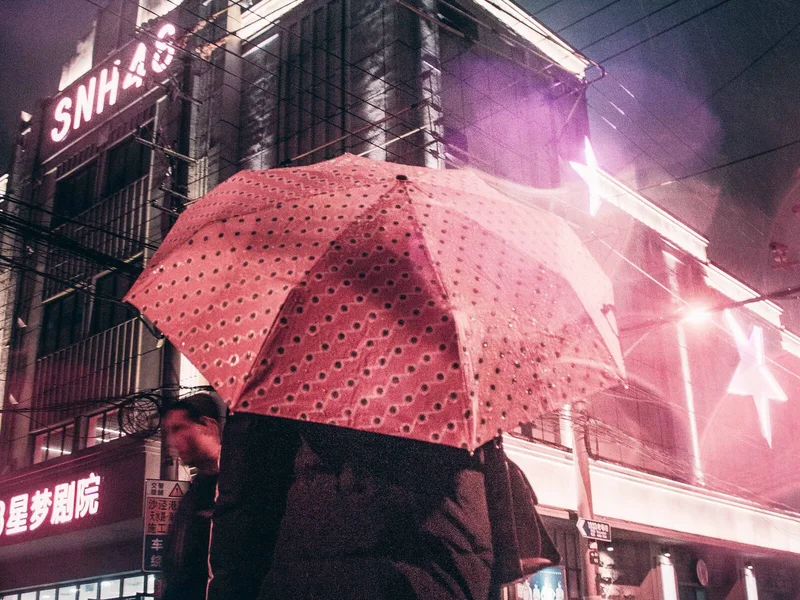
Rain Changes Timing More Than Plans
A rainy day does not always mean you need to cancel sightseeing. It often means you need more time. Walking becomes slower, taxi demand rises, metro entrances feel busier, station floors become slippery, and everyone spends extra time opening umbrellas, drying bags, or deciding where to stop.
If a day includes a timed attraction entry, train departure, airport transfer, or evening show, add buffer instead of keeping the same tight schedule. Rain also makes short outdoor transfers feel longer, especially with luggage. The guide to why a realistic China itinerary needs buffer time explains this planning logic beyond weather.
Pack for Movement, Not Just Temperature
Weather preparation is not only about whether the day is hot or cold. It is about how you will move through the day. A light rain jacket, foldable umbrella, breathable layers, comfortable shoes, and a small waterproof pouch can matter more than packing many heavy clothes.
For rainy city days, shoes are especially important. Wet stone, station floors, scenic-area steps, and old-town streets can be slippery. If you are changing cities by train, think about how rain affects luggage handling too. A suitcase that is easy on a dry hotel floor may be harder to manage through wet sidewalks and crowded station entrances.
For rail days, pair this with luggage tips for China high-speed rail travelers.
Heat Requires Earlier Starts and More Breaks
In hot or humid weather, the same sightseeing route can require a different rhythm. Early starts, indoor breaks, shaded walks, shorter outdoor blocks, and a slower pace can make the day much more comfortable. This is especially true for older travelers, children, and anyone who is not used to humid summer weather.
Do not schedule a long outdoor attraction, a long walking street, and a heavy dinner transfer without rest time in between. Heat can also make meal planning more important because people may not feel hungry at normal times but still need water, salt, and a proper break. For this side of planning, see how to plan meals on a China travel day.
Cold Weather Is About Indoor-Outdoor Transitions
Winter planning is not just about the lowest temperature. It is also about moving between heated interiors, outdoor queues, subway exits, windy plazas, scenic areas, and evening streets. A traveler may feel warm inside a museum but cold while waiting outside for a taxi or walking back to the hotel.
Layering works better than relying on one heavy piece. Gloves, a hat, warm socks, and shoes with decent grip can make a major difference on long walking days. If your route moves from south to north, do not assume a coat that felt fine in one city will be enough for the next.

Weather Can Affect Attractions and Reservations
Some attractions are enjoyable in light rain. Others become harder in bad weather because of outdoor walking, steep paths, boat schedules, mountain visibility, security queues, or crowd flow. When an attraction depends on views, weather can matter as much as ticket availability.
Before a weather-sensitive day, check whether the attraction has official notices, adjusted hours, closed areas, or transport changes. If the day includes a reservation window, decide in advance what you will do if rain or heat makes the original plan uncomfortable. Our guide to popular attraction entry rules in China explains why entry timing should be treated as part of the whole day, not a separate detail.
Build One Indoor Backup Into the Day
A useful weather plan usually includes one indoor backup near the area you are already visiting. This might be a museum, shopping mall, teahouse, bookstore, hotel rest period, or simple meal break. The point is not to replace the whole day. The point is to give yourself a realistic option if the weather turns difficult.
Backups should be geographically practical. An indoor option on the other side of the city may create more stress than it solves. Look for something near the attraction, station, hotel, or dinner area already in the plan.
Air Quality and Visibility Need Flexible Expectations
Air quality and visibility can vary by city, season, and short-term conditions. For most travelers, this mainly affects outdoor comfort, long walking routes, skyline views, and how realistic a mountain, tower, or viewpoint day feels. Travelers with respiratory or medical concerns should be more cautious and follow professional medical advice.
When visibility is poor, avoid building the whole day around one distant view. Choose a plan that still works if the skyline, mountains, or river view is not ideal. This keeps the trip from depending too heavily on one weather-sensitive moment.
Save Weather Information Offline
Weather planning is easier when key information is available even if mobile data is weak. Save the city names in English and Chinese, hotel address, nearby metro station, attraction address, and any timed booking details. If the weather changes and you need a taxi, metro, or indoor backup quickly, this information helps.
Our guides on what to save offline before traveling to China and preparing Chinese addresses before your trip fit well with weather planning.

A Practical Weather Checklist
- Check the forecast separately for each city on the route.
- Look at rain, temperature range, wind, humidity, alerts, and visibility.
- Add buffer time on rainy station, airport, and attraction days.
- Pack shoes and layers for movement, not only for temperature.
- Plan earlier starts and indoor breaks during hot or humid weather.
- Use layers, warm accessories, and grippy shoes for cold walking days.
- Prepare one nearby indoor backup for weather-sensitive sightseeing.
- Save addresses, booking times, and transport notes offline.
The Main Point
Weather does not need to ruin a China trip, but it should change how the day is built. A good plan leaves room for slower walking, easier meals, indoor pauses, and backup choices. That flexibility matters more than trying to predict every detail perfectly.
When the weather is easy, the extra buffer simply makes the day calmer. When the weather is difficult, it becomes the reason the day still works.