
China public holidays can change a travel day more than many first-time visitors expect. Trains sell faster, airports and railway stations feel busier, hotel prices may rise, famous attractions can require more patience, and restaurants near popular areas may have longer waits. The holiday itself is only part of the issue. The travel movement before and after the holiday can be just as important.
This guide explains how to think about public holidays when planning a China trip. It focuses on practical decisions: when to book transport, which days need more buffer, how to handle attractions, and when a quieter plan may be better than forcing a packed schedule.
Check the Official Holiday Calendar First
For 2026, the official State Council English page lists China's public holidays as follows: New Year's Day holiday, January 1-3; Spring Festival holiday, February 15-23; Qingming Festival holiday, April 4-6; Labor Day holiday, May 1-5; Dragon Boat Festival holiday, June 19-21; Mid-Autumn Festival holiday, September 25-27; and National Day holiday, October 1-7.
You can check the official page here: China's public holidays for 2026. Always re-check official sources before booking, because holiday arrangements, local notices, attraction hours, and transport policies can change.
Do Not Only Look at the Holiday Dates
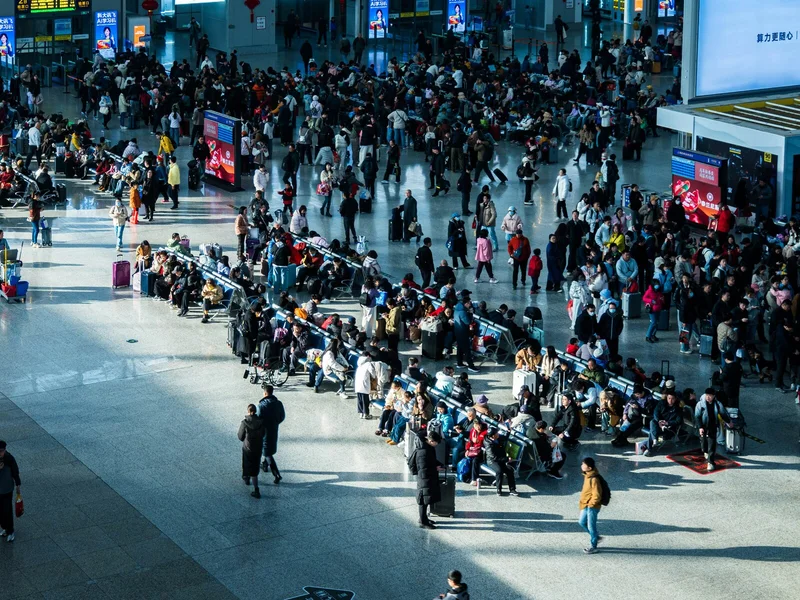
The busiest travel pressure may begin before the official holiday starts and continue after it ends. People travel home, return to work, take family trips, and combine annual leave with national holidays. A train or flight on the day before a holiday can be harder than a normal weekday, even if the holiday has not officially started yet.
When planning around a holiday, look at a wider window. For short holidays, check at least the day before and the day after. For Spring Festival, Labor Day, and National Day, look at a broader period because travel demand can spread across several days.
Spring Festival Needs the Most Caution
Spring Festival is not just a sightseeing holiday. It is the most important family reunion period in China, and transport demand can be very high. In 2026, the official Spring Festival holiday is February 15-23, but the travel movement around that period can extend beyond the listed dates.
If you are visiting China during this time, avoid building a route that depends on last-minute train tickets, tight domestic connections, or same-day long-distance transfers. Plan accommodation carefully, check opening hours, and keep arrival days simple. For first-day rhythm, read how to plan a comfortable arrival day in China.
Train Tickets and Railway Stations Need Extra Planning
High-speed rail is often the best way to move between Chinese cities, but holiday demand can make tickets harder to secure and stations more crowded. If a route is important to the trip, treat the ticket as a priority item rather than something to solve later.
For official railway information, use the 12306 English site. For practical station planning, see China high-speed rail ticket and station guide for first-time visitors and what to know about large railway stations in China.
Attractions Can Feel Different During Holidays
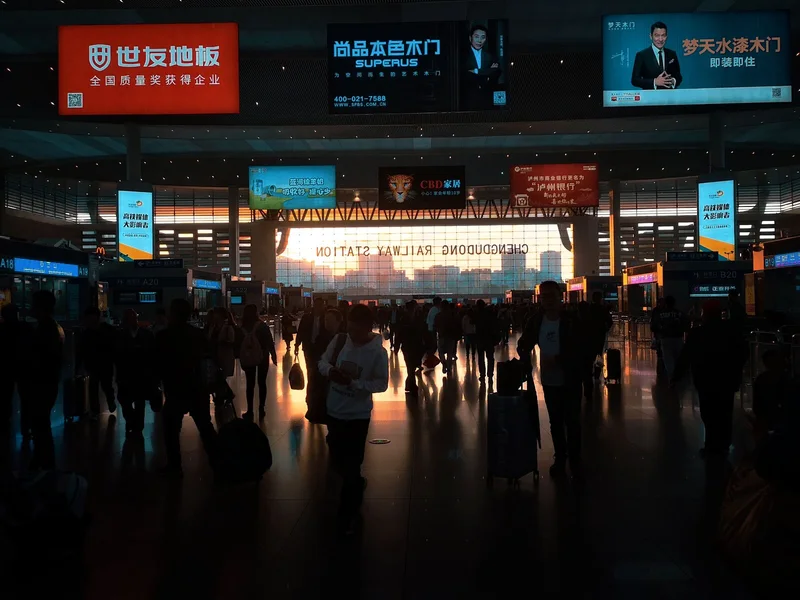
Public holidays can affect attraction entry, crowd flow, ticket availability, security lines, shuttle buses, restaurant wait times, toilets, and exit routes. A site that feels relaxed on a normal weekday may feel very different during National Day, Labor Day, or a long weekend.
For famous attractions, check whether real-name booking, time-slot entry, passport verification, or advance reservation is required. If an attraction is the main reason for visiting a city, build the day around that booking and keep the rest of the schedule lighter. Our guide to popular attraction entry rules in China covers this planning logic in more detail.
Hotels and City Transfers May Cost More
Hotel prices can rise around public holidays, especially near famous attractions, transport hubs, resort areas, and popular city centers. The cheapest room may not be the best choice if it creates long transfers during crowded days. A more convenient hotel can save time, taxi stress, and late-night confusion.
When comparing hotels, look at the nearest metro station, railway station access, taxi pickup area, and the Chinese address. If you will arrive during a holiday evening, save the hotel name, address, and phone number offline. See how to prepare Chinese addresses before your trip.
Meals Need More Flexibility
Restaurants near attractions, shopping streets, transport hubs, and popular neighborhoods can be crowded during public holidays. Some places may require reservations, while others may simply involve longer waits. If your group includes children, older travelers, or dietary restrictions, do not wait until everyone is hungry to start searching.
A practical holiday plan may include a reliable breakfast, snacks, water, and one flexible meal window. If the main meal of the day is important, keep the schedule around it realistic. For more details, read how to plan meals on a China travel day.
Use Metro and Walking Plans Carefully
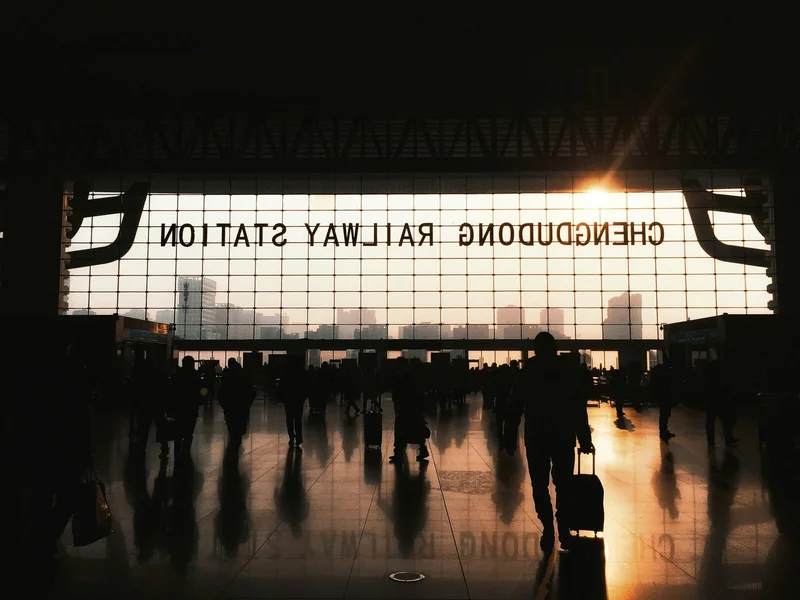
City metro systems can be useful during holidays because roads near attractions may be crowded. But metro stations near popular sites, railway stations, and shopping areas can also be busy. Check exits, transfer walking time, and last train times before assuming the metro will solve everything.
If you are carrying luggage, holiday crowding can make metro travel less comfortable. For city transport basics, see how to use metro systems in China as an international visitor.
Build Buffer Time Into Holiday Days
Holiday travel is where buffer time becomes most valuable. Add time for station entry, security checks, ticket pickup or app issues, taxi queues, attraction lines, meal waits, restroom stops, and slower walking. If the day goes smoothly, the extra time simply makes the trip calmer. If something takes longer, the day still works.
A common mistake is to plan a holiday day using normal weekday timing. For better planning, use why a realistic China itinerary needs buffer time.
When to Avoid Peak Routes
If your schedule is flexible, avoid long-distance travel on the busiest departure and return days. Consider staying longer in one city, choosing a less crowded neighborhood, visiting smaller sites, or making the holiday day slower rather than trying to cover several famous places at once.
For some travelers, the best holiday decision is not to compete with the crowd. A good local meal, one well-chosen attraction, and an easy evening can be a better experience than a checklist that looks efficient but feels exhausting.
Practical Holiday Planning Checklist
- Check the official public holiday calendar before booking.
- Look at the days before and after the listed holiday dates.
- Book important trains, flights, and hotels earlier than normal.
- Check attraction booking rules and opening-hour notices.
- Keep holiday travel days lighter than normal weekdays.
- Save hotel addresses, bookings, and transport details offline.
- Carry snacks, water, and phone battery backup for crowded days.
- Choose one or two priorities instead of overloading the day.
The Main Point
China public holidays do not have to be a problem, but they need to be planned honestly. The dates on the calendar tell you when the holiday is. The real travel effect shows up in tickets, stations, hotels, attractions, meals, and local movement.
If you book early, keep the day flexible, and avoid tight connections around peak movement, public holidays can still fit into a successful China trip.