
Updated on June 19, 2026. Popular attractions in China often work differently from a simple walk-up ticket window. Many museums, palace sites, scenic areas, observation decks, and heritage sites use real-name reservations, entry time windows, security checks, passport verification, or separate gates for different ticket types.
For overseas travelers, the important point is not memorizing one attraction's rule forever. Rules can change by season, crowd level, maintenance schedule, holiday period, and official booking system. The safer habit is to know what to check before the visit day and what to save offline before leaving the hotel.
This guide is about practical preparation, not a list of recommended attractions. For the wider pacing problem, also read why a realistic China itinerary needs buffer time and what overseas travelers often misunderstand about China travel.

Start with the exact attraction, not only the city
Large cities can have many attractions with very different entry systems. One museum may require advance reservation, another may use same-day tickets, and a scenic area may have several gates, shuttle routes, or time slots. Even attractions with similar English names can have different rules.
Before building the day, confirm the exact attraction name, official booking channel, address, entry gate, ticket type, visit date, and the document required at entry. If you only save the attraction's English nickname, the taxi route, ticket search, and gate instructions may all become harder.
This is one reason first-time travelers should avoid stacking several reservation-based places into one day. A late entry at the first site can affect every later appointment.
Real-name reservations mean the document details matter
Many popular attractions use real-name ticketing or visitor registration. For Chinese residents, this may connect to a national ID number. For overseas visitors, the system may ask for a passport number, name, nationality, phone number, or other document details depending on the attraction.
The name and document number used for booking should match the passport you will bring. Do not casually switch between nicknames, shortened names, middle-name formats, or an old passport number. If the booking record and passport do not match, the problem usually appears at the entrance, when the line is already moving and the traveler has little time to fix it.
When traveling as a family or group, check each person's details separately. One incorrect passport digit can create a delay for the whole group.
Time windows are part of the ticket, not a suggestion
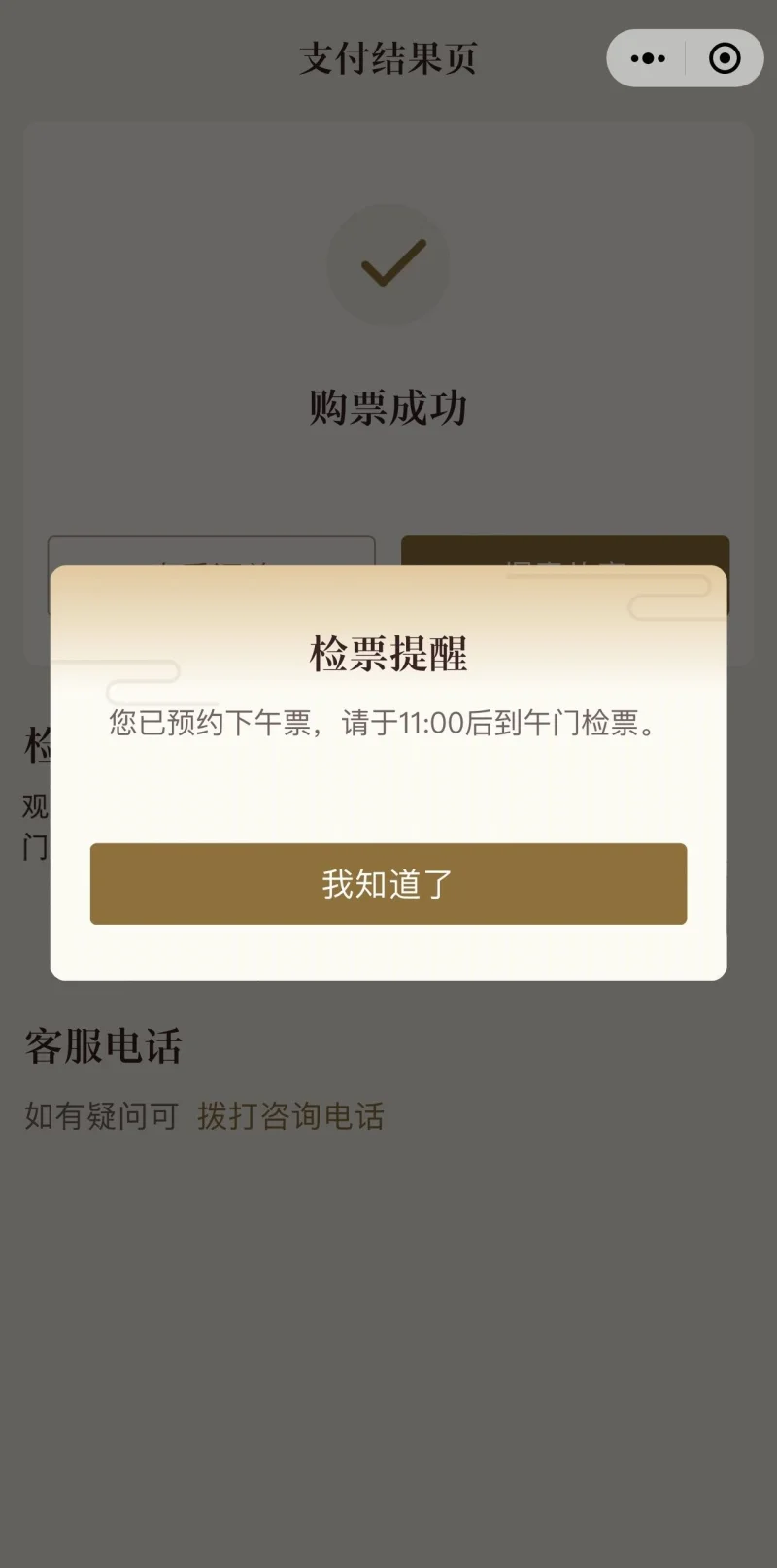
Some attractions divide entry into morning and afternoon windows, specific hours, or timed sessions. A ticket may be valid only for a certain date and entry period. Arriving too early can mean waiting outside; arriving too late can mean being refused or needing staff help that may not be available in English.
When planning the route, leave room for hotel departure, traffic, walking from the drop-off point, security lines, bathroom stops, and finding the correct gate. A map estimate from hotel to attraction is not the same as being ready at the ticket checkpoint.
If the attraction is the main purpose of the day, protect it with a buffer before and after. Do not place a tight train, flight, or dinner reservation immediately around a high-demand entry window.
Security checks and bag rules can slow the visit
Entry may include bag inspection, identity verification, prohibited-item checks, temperature or crowd-control measures in some situations, and separate lanes for groups, individuals, or special ticket types. Large backpacks, tripods, lighters, drones, liquids, sharp objects, and oversized luggage may be restricted at certain sites.
The exact restrictions vary, so travelers should check the official notice before visiting. If a site does not allow large luggage, do not assume there will be convenient storage at the gate. If storage exists, it may still take time and may not be near the exit you plan to use.
For days with luggage, combine attraction planning with transport planning. A museum visit between hotel checkout and a train departure may look efficient on paper but feel stressful in practice.

Official channels matter more than old screenshots
Attraction rules can change. A social-media screenshot from last year, a travel forum comment, or an old blog post may not reflect the current booking method, passport policy, closed day, ticket release time, or entry gate. Use official attraction websites, official mini programs, official ticket platforms, or current notices whenever possible.
If the official channel is only in Chinese, use translation tools carefully and confirm the key details: date, time window, visitor name, passport number, ticket type, entrance, cancellation rule, and whether the booking confirmation itself is enough for entry.
This does not mean every attraction is difficult. It means high-demand attractions deserve a current check before non-refundable transport or hotel plans depend on them.
Save the confirmation in more than one place
Do not rely on opening one app at the gate. Mobile data can be slow, battery can drop, account login can fail, and a foreign phone may have trouble receiving a verification code. Save the confirmation page, QR code if provided, ticket number, Chinese attraction name, address, entry gate, visit date, time window, and passport details offline.
Screenshots are useful, but they should be clear and complete. If a confirmation has multiple pages, save all of them. If the attraction provides a Chinese address or gate name, save that too. A bilingual note can help when asking hotel staff, taxi drivers, or entrance staff for direction.
For a broader offline preparation habit, see what to save offline before traveling to China.
Closed days and holiday crowds need checking
Many museums and cultural sites have regular closed days, temporary closures, maintenance areas, capacity limits, special events, or adjusted hours during holidays. A famous attraction being open in general does not mean every hall, route, entrance, or exhibition is open on your exact date.
China's public holidays and school vacation periods can also change the experience. Tickets may sell out faster, entry lines may be longer, and local transport may take more time. If a popular attraction is central to the trip, check availability before finalizing the rest of that city stay.
This is also why a realistic itinerary should have a backup plan. If the main attraction is unavailable, the day should still have a workable alternative nearby.
Phone access and payment setup can affect entry preparation
Some booking systems, mini programs, or ticket platforms may require mobile access, app login, SMS verification, online payment, or identity information. Even when the final ticket is already purchased, the traveler may need internet access to open a confirmation or receive an update.
Before the visit day, make sure your phone has data, a charged battery, and the relevant confirmation saved offline. If payment was part of the booking process, keep a backup method in case a refund, extra ticket, locker, shuttle, or small purchase requires payment on site.
For phone and data preparation, read the China SIM card, eSIM, and internet access guide. For payment basics, see how international travelers can pay in China.
A practical checklist before the visit day
Before leaving for a popular attraction, check the following:
- The exact attraction name in English and Chinese.
- The official booking channel or current official notice.
- Ticket date, time window, ticket type, and entry gate.
- Passport name and number used for each traveler.
- Whether the original passport must be brought to the entrance.
- Closed days, temporary closures, route changes, and crowd notices.
- Security and bag restrictions, especially for luggage or large backpacks.
- Offline screenshots of confirmation, address, gate, QR code, and contact details.
- A realistic transport buffer before and after the visit.
Final thought
Popular attraction entry rules in China are not meant to scare travelers. They are usually part of crowd control, security, real-name ticketing, and site management. The difficulty comes when travelers treat the ticket as a small detail and only discover the rule at the gate.
A better approach is simple: check the current official rule, match the passport details, respect the entry window, save the proof offline, and leave enough time for the real movement of the day. That preparation makes the visit feel calmer and protects the rest of the itinerary.