
China high-speed rail is one of the easiest ways to move between major cities, but luggage can change how smooth the day feels. The train ride itself may be comfortable. The harder part is often getting from the curb to security, through the station, onto the platform, into the carriage, and then out again at the destination.
This guide focuses on practical luggage decisions for international travelers. It is not a replacement for current railway rules or station instructions. Before departure, check your train operator, ticket platform, station signs, and official railway information for any item restrictions or policy updates that apply to your trip.
Think About the Whole Station Journey
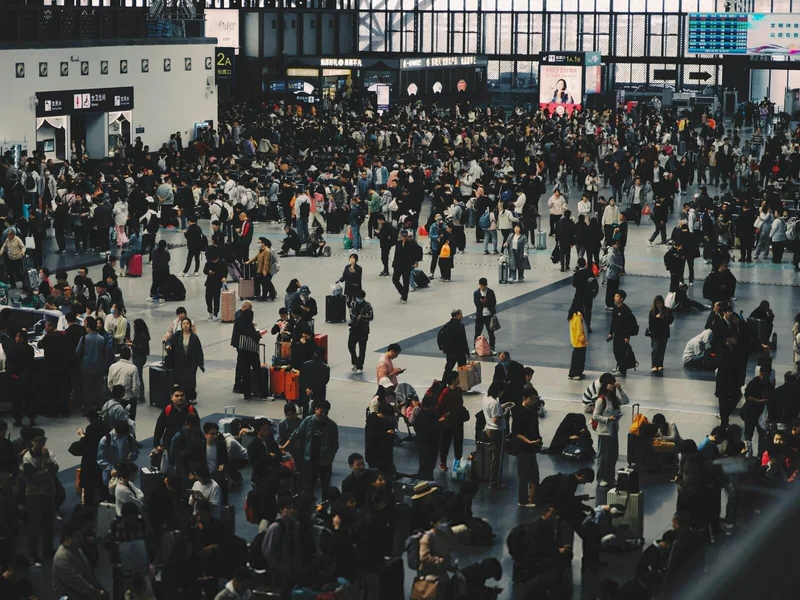
A high-speed rail trip starts before you reach the platform. At a large station, you may need to pass an entrance check, go through security screening, find the correct waiting hall or gate, watch boarding announcements, walk to the platform, and then locate the right carriage.
With one manageable suitcase and a small day bag, this can feel simple. With several large bags, loose shopping bags, or heavy backpacks, every step becomes slower. This matters even more during holidays, rainy days, morning departures, evening arrivals, or when traveling with children or older family members.
Choose Bags You Can Move Without Help
The most useful rule is simple: pack only what you can control by yourself. You may need to lift a bag over a curb, guide it through a security belt, hold it on an escalator, move quickly through a crowd, or place it into a luggage area without blocking other passengers.
If a suitcase only feels comfortable on a flat airport floor, it may become difficult inside a busy railway station. Before the trip, test the packed bag at home. Can you lift it briefly? Can you turn it in a narrow space? Can you carry it up a short flight of stairs if the elevator is busy? These small tests are more useful than an ideal packing list.
Keep Passport, Phone, and Ticket Details Easy to Reach
For international travelers, identity and ticket checks can involve a passport, booking record, train number, station name, gate information, and sometimes help from station staff. Do not bury your passport at the bottom of a suitcase. Keep it in a secure pocket or document pouch that you can access without opening every bag.
Your phone should also be ready. Save the train number, departure station, arrival station, booking details, hotel address, and emergency contact information offline. If your phone battery is low, a station day can become more stressful than expected.
For ticket and station basics, read the guide to China high-speed rail tickets and stations.
Leave Time for Security and Walking Distance
Security checks are part of the railway station process. Bags may need to go through scanners, and passengers may need to pass a personal check. If your luggage contains many loose items, liquids, electronics, tools, or unclear packages, the process can take longer.
Large stations can also require real walking time. The entrance, waiting hall, gate, platform, carriage position, taxi area, metro entrance, and hotel pickup point may not be close to each other. A traveler with light luggage can adjust quickly. A traveler with heavy luggage needs more buffer.
For a broader planning view, see what to know about large railway stations in China and why a realistic China itinerary needs buffer time.
Use a Small Day Bag for Critical Items
A small day bag helps you avoid opening the suitcase repeatedly in public areas. Keep important items in this bag: passport, phone, charger or power bank, medication, glasses, wallet, water, tissues, hotel address, and any document you may need during boarding or arrival.
Do not put valuables in a large suitcase that may be placed away from your seat. On busy trains, luggage areas can fill quickly, and passengers may need to store bags in different parts of the carriage. Keep irreplaceable items with you.
Understand That Storage Space Varies
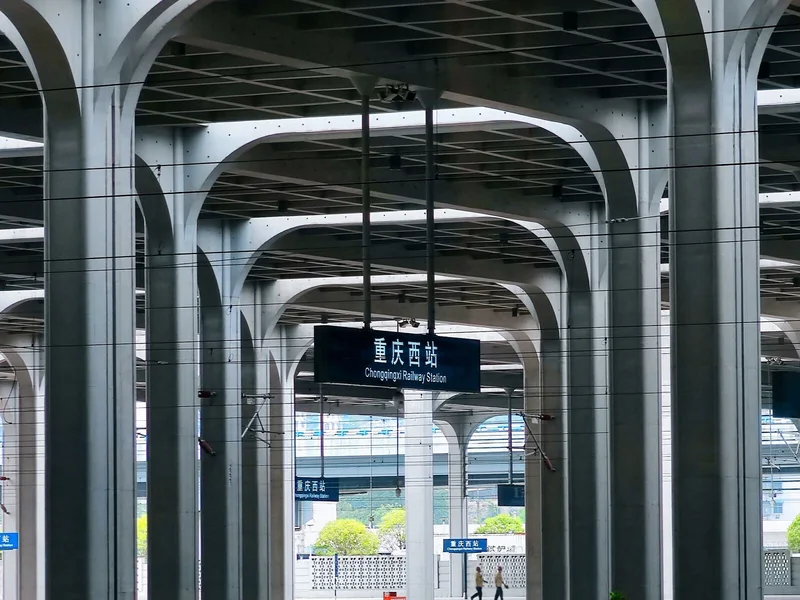
High-speed train carriages usually have overhead racks and may have larger luggage spaces near carriage ends or between areas, depending on train type and seat layout. The exact space can vary, and it may already be partly occupied when you board.
A soft bag or medium suitcase is usually easier to place than an oversized hard case. Avoid blocking aisles, doors, toilets, or connection areas. If you cannot safely lift a bag, plan for a smaller bag or fewer pieces instead of assuming someone will be available to help.
Be Careful With Tight Transfers
Luggage has a direct effect on transfer plans. A transfer that looks possible on a map may become uncomfortable if you need to exit one station, find a taxi line, move through a metro transfer, or reach another terminal with heavy bags.
When planning a rail day, allow more time if you have large luggage, several travelers, a late arrival, a hotel far from the station, or a same-day connection to another train or flight. The goal is not only to catch the next departure. The goal is to arrive without rushing, losing items, or making avoidable mistakes.
If you are preparing addresses for taxi, hotel, or driver communication after arrival, use the guide on preparing Chinese addresses before your trip.
Families and Older Travelers Should Reduce Bag Count
For families, older travelers, and groups, the number of bags is often more important than the total weight. One adult trying to manage children, passports, phones, tickets, and multiple suitcases can easily become overloaded in a crowded station.
Assign clear responsibility before entering the station. Each adult should know which bag, document, and child or family member they are watching. If someone needs elevators, more rest time, or slower walking speed, build that into the departure plan instead of treating it as a small detail.
Check Current Railway Information Before Departure
Railway item restrictions and station procedures should be checked against current official or ticket-platform information, especially if you carry batteries, sprays, liquids, tools, food, medical items, outdoor equipment, or anything that may look unusual in a security scan.
The official English 12306 site is a useful starting point for railway information: 12306 English homepage and 12306 FAQ. Station staff and current station notices should take priority on the travel day.
A Practical Luggage Checklist
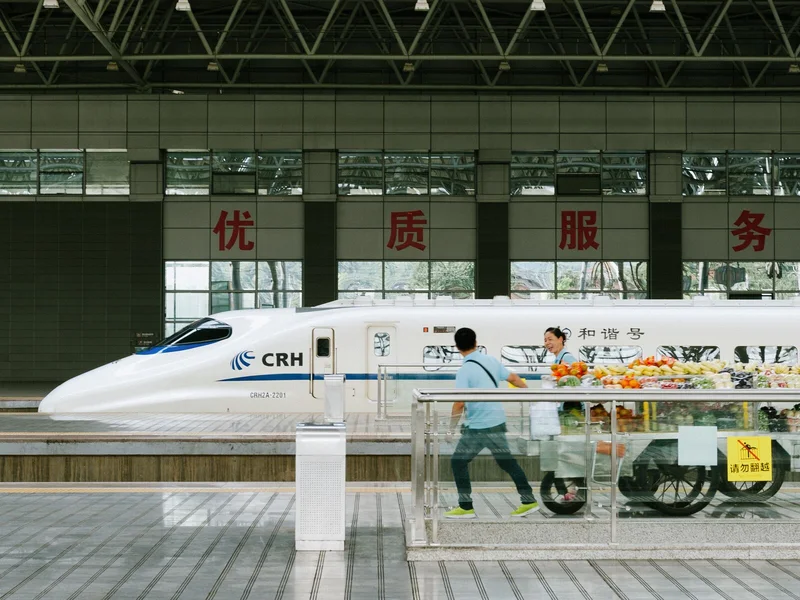
- Use luggage you can lift, turn, and control without help.
- Keep passport, phone, ticket details, and hotel address easy to reach.
- Leave extra time for station entry, security, walking distance, and boarding.
- Carry valuables, medication, and essential documents in a small day bag.
- Avoid oversized bags that are hard to store inside the carriage.
- Do not block aisles, doors, toilets, or shared luggage areas.
- Give families, older travelers, and large groups more transfer buffer.
- Check current railway and station rules for restricted items before departure.
The Main Point
A good high-speed rail luggage plan is not about packing perfectly. It is about keeping the travel day controllable. If your bags are easy to move, your documents are easy to reach, and your schedule allows station time, China high-speed rail becomes much less intimidating for a first trip.
When in doubt, reduce the number of bags, keep essentials close, and give yourself more time than the train timetable alone suggests.