
Updated on June 1, 2026. Choosing the right China arrival airport is not only a question of airfare. For a first trip, the arrival city affects immigration confidence, visa-free transit eligibility, customs timing, first-night hotel transfer, domestic connections, and how much stress the guest feels in the first two hours after landing.
This guide is for travelers who are still deciding whether to enter through Beijing, Shanghai, Guangzhou, Shenzhen, Chengdu, Xi'an, or another major China city. If your route uses the 240-hour visa-free transit policy, read this together with our guides to China 240-hour visa-free transit and which China cities can be visited during the 240-hour policy.
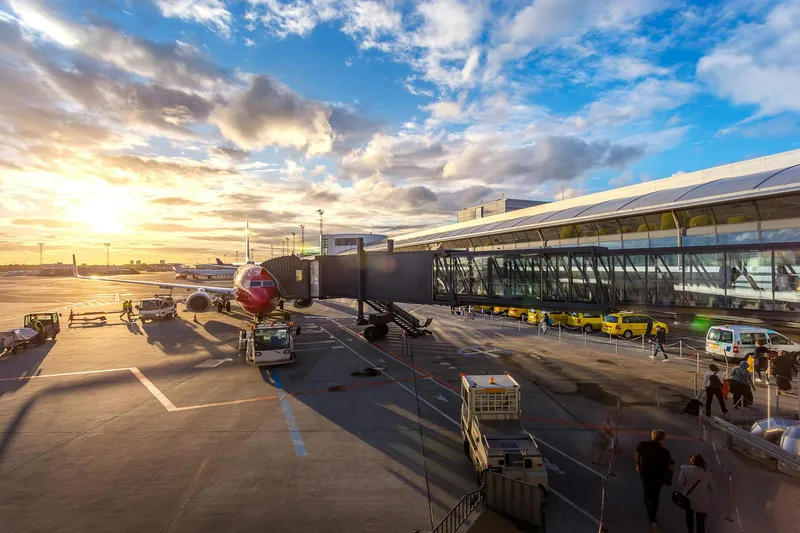
Start with entry basis, not flight price
The first question is how you will enter China: ordinary visa, visa-free entry, 240-hour visa-free transit, 24-hour transit, or another official basis. Once that is clear, choose an airport that fits the rule. A cheap fare is not useful if the entry port, permitted stay area, onward destination, or connection timing creates uncertainty.
For 240-hour visa-free transit, the National Immigration Administration announcement dated November 3, 2025 is the key official reference. It lists eligible ports and permitted stay areas, and states that the stay period is calculated from 0:00 on the day after entry. The policy is flexible, but it is still a transit policy, not a general visa replacement for every route.
Airport choice changes the first day
Most first-time visitors underestimate how tiring arrival day can be. After a long international flight, the guest still needs immigration, baggage, customs, SIM or roaming confirmation, payment backup, pickup, hotel check-in, and often a meal. A good arrival airport reduces friction before sightseeing begins.
Use these questions before booking:
- Does the airport match my visa or visa-free entry basis?
- Can I reach the first hotel without a difficult late-night transfer?
- If I have a domestic connection, is the connection protected on one ticket or self-transfer?
- Will I need to collect baggage, clear customs, and recheck bags?
- Is there enough buffer if the international flight is late?
- Can my pickup contact or local support identify the correct terminal?
For guests who want a calmer first hour in China, our airport arrival support guide explains how pickup timing, driver communication, and hotel handover should be organized.
Beijing: strong for history, northern routes, and official meetings
Beijing is often the right first airport for travelers who want the Great Wall, Forbidden City, Temple of Heaven, business meetings, embassies, or a northern China start. Beijing Capital International Airport and Beijing Daxing International Airport are both major international gateways. For 240-hour visa-free transit planning, Beijing is listed in the NIA eligible-port framework, but the whole route must still meet the third-country or region requirement.
Beijing works well when the first two nights are in Beijing. It can also work as part of a wider permitted-area transit route, such as Beijing - Xi'an - Shanghai, if the traveler meets the official conditions and stays inside listed permitted areas. It is less comfortable when the traveler lands late and tries to take an immediate train or domestic flight the same night.
Shanghai: strong for first-timers, business, and eastern China
Shanghai is often the easiest first China airport for travelers who want a modern city start, international hotels, business meetings, Suzhou, Hangzhou, or an east China route. Shanghai Pudong International Airport handles many long-haul international flights, while Hongqiao is more connected to domestic and regional travel. The official Shanghai airport website is the appropriate place to check terminal and passenger facility information before arrival: Shanghai Airport Authority.
Shanghai is also practical for 240-hour transit itineraries that continue to a third country or region. A simple example is Los Angeles - Shanghai - Tokyo, or London - Shanghai - Hong Kong, if the passport nationality, ports, onward ticket, and timing are valid. If the traveler plans Shanghai plus nearby cities, the permitted-area rule should be checked before hotels and trains are booked.
Guangzhou and Shenzhen: strong for South China and Hong Kong-linked trips
Guangzhou and Shenzhen can be excellent arrival choices for South China, factory visits, trade shows, family trips around Guangdong, or itineraries involving Hong Kong or Macao. Guangdong has many transport options, but that also means the route can become complicated if the traveler mixes flights, high-speed rail, ferries, and land ports without checking the entry basis.
For a first leisure trip, South China works best when the first hotel is close enough to the airport or rail station and the traveler is not trying to cross multiple borders immediately after a long flight. If the plan involves Hong Kong or Macao as the onward region for visa-free transit, keep confirmed tickets and route proof ready for airline and border checks.
Chengdu and Xi'an: strong for culture routes, but check onward logistics
Chengdu and Xi'an are attractive first airports because they lead directly into food, history, pandas, and western China culture. They can be very good choices when the first several days are in the same region. They are less ideal when the traveler books a late international arrival and then adds a tight next-morning train, long drive, or self-transfer flight.
For 240-hour transit, city and area limits matter. Xi'an is in Shaanxi Province, which is listed in the NIA permitted-area framework. Chengdu is different: the NIA appendix lists specific permitted Sichuan cities, not every famous Sichuan destination. For example, a plan that includes Chengdu and Leshan may be different from a plan that assumes all western Sichuan or Jiuzhaigou is included. Check the current official table before building the route.
Do not build a tight same-day domestic connection
A common first-trip mistake is booking an international arrival and a separate domestic flight or train on the same day. This can fail even when the policy is correct. The traveler may need to clear immigration, collect checked baggage, pass customs, change terminals, recheck bags, and pass security again. A one-hour or two-hour self-transfer can be too risky.
If a domestic connection is necessary, safer planning usually means one protected through-ticket or an overnight stop in the arrival city. If the international flight changes, use our guide on what to do when a flight to China is delayed, changed, or arrives late.

Three example choices
- First-time couple, 8 nights, classic culture route: Beijing arrival can work well if they spend two or three nights in Beijing before taking a high-speed train to Xi'an or Shanghai. It gives a calmer first day than landing in Beijing and immediately connecting onward.
- Business traveler with meetings in Suzhou and Hangzhou: Shanghai is usually more practical than Beijing because the first hotel and onward train plan fit the eastern China route.
- Visitor using 240-hour transit: London - Beijing - Xi'an - Shanghai - Tokyo may be possible if all official conditions are met, while Paris - Beijing - Shanghai - Paris is usually not a safe transit plan because it returns to the same country rather than continuing to a third country or region.
Arrival airport decision table
| Traveler priority | Better arrival pattern | Planning caution |
|---|---|---|
| Classic first China trip | Beijing or Shanghai first, with two nights before moving on | Avoid same-night long-distance transfers. |
| East China business or family travel | Shanghai first | Check which airport and terminal the flight uses. |
| South China, trade shows, Hong Kong-linked plans | Guangzhou or Shenzhen first | Keep border, ferry, rail, and onward-ticket proof clear. |
| Culture and food route | Xi'an or Chengdu first if the first days are local | For visa-free transit, check city and area limits carefully. |
| Senior or family travelers | Airport closest to first hotel and support contact | Do not optimize only for the cheapest fare. |
Final checklist before booking
- My entry basis matches the airport and route.
- I know the exact airport, terminal, and first-night hotel area.
- I have enough time for immigration, baggage, customs, and pickup.
- If using 240-hour transit, every China city in the plan is inside a listed permitted area.
- I have a confirmed onward ticket if the entry basis requires one.
- I have a backup plan if the flight arrives late.
If you already have flights but are unsure whether the arrival city is practical, contact Jiangmi Travel through the official contact page. We can review the practical airport, pickup, hotel, and first-day timing side; official entry eligibility should always be checked against the relevant government source.
Official references
- National Immigration Administration: November 3, 2025 announcement and eligible-port appendix.
- National Immigration Administration: Visa-Free Transit Policies.
- Shanghai Airport Authority for official Shanghai airport passenger information.
- Beijing Capital International Airport for official Beijing Capital Airport information.