
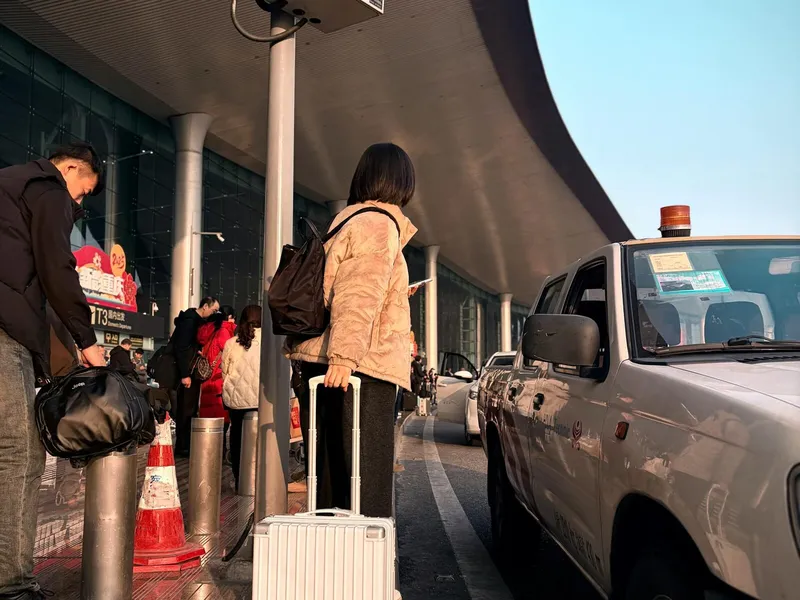
For many international travelers, the first hour after landing in China feels more important than the flight itself. You may be tired, carrying luggage, switching phone networks, looking for signs in a large terminal, and trying to understand where immigration, baggage claim, customs, and the meeting area are located. If this is your first China trip, a calm arrival process can set the tone for the whole visit.
China airport arrival support is not about bypassing official procedures. It is about reducing avoidable confusion after you follow the normal entry process. Good support helps you know what happens first, where to go next, who is waiting, how to contact the right person, and what to do if a flight, bag, phone, or payment method does not work as expected.
This guide is written for travelers who want a realistic picture of arrival support before booking or confirming a trip. It also connects naturally with our pre-departure checklist for first-time China visitors, because arrival support works best when the basic documents, phone access, payment tools, and contact details are prepared before you fly.

What arrival support can and cannot do
Arrival support should be explained honestly. A travel company, guide, driver, hotel, or local coordinator cannot make immigration decisions, skip customs rules, override airport security, or collect baggage before it is released by the airline and airport process. Those steps remain official procedures.
What support can do is practical: confirm the correct terminal, track the flight, choose a realistic pickup time, explain the meeting point, provide the driver or guide contact, help with language communication after you exit the restricted area, and give you a backup plan if something changes.
A professional arrival plan usually answers these questions before you depart:
- Which airport, terminal, and arrival date are being used?
- Will someone meet you after customs, at a public arrival hall, or at a designated pickup point?
- What name, sign, phone number, or message should you look for?
- What happens if the flight is delayed, arrives early, or changes terminal?
- Who should you contact if mobile data, messaging apps, or payment apps do not work immediately?
The usual flow after landing
Airport layouts vary by city and terminal, but the broad sequence is familiar at major international arrival airports: disembark, follow arrival and transfer signs, complete border inspection if entering China, collect checked baggage, pass customs inspection or declaration channels when required, then enter the public arrivals area.
Official border inspection information should always come from official authorities, not from travel forums or commercial agencies. The National Immigration Administration is the appropriate official source for China immigration and entry-related information. For luggage and customs matters, travelers can also check the General Administration of Customs of China.
The key point for travelers is simple: a driver or guide normally waits outside the restricted arrivals area, not at the immigration counter or baggage belt. If you expect someone to meet you, the meeting point should be described in plain language before you fly. Screenshots, bilingual wording, terminal names, and a backup phone number all help.

Why first-time visitors get delayed at the airport
Delays after landing are common and do not always mean something is wrong. A long walk from the gate, several international flights arriving together, slow baggage delivery, a customs question, a phone that has not connected to data, or a traveler stopping to exchange money can all add time.
For a first-time visitor, the stressful part is not only the delay. It is uncertainty: whether the driver is still waiting, whether the hotel has been informed, whether the phone number works in China, and whether the next plan needs to change.
Good arrival support plans for this uncertainty. It leaves a reasonable buffer instead of assuming you will be outside the terminal 20 minutes after landing. It also avoids overloading the first day with tight appointments. If you are still planning the overall rhythm of your trip, our first China trip preparation guide explains why arrival day should usually stay light.
Meeting point details matter more than people expect
Large airports may have more than one exit, more than one arrival hall, more than one pickup level, and multiple lanes for taxis, app-based cars, buses, hotel shuttles, and private vehicles. A message such as “see you at the airport” is not specific enough.
A useful arrival note should include:
- The airport name in English and, where useful, Chinese.
- The terminal number and arrival hall or exit reference.
- The driver or guide name and mobile number.
- Whether the person will hold a sign, send a photo, or meet at a fixed landmark.
- A backup instruction if you cannot find the person within a few minutes.
Shanghai Airport publishes official English passenger information through Shanghai Airport Authority. Travelers arriving in other cities should check the official airport website for terminal maps, transport counters, and current facility information.

Airport pickup is not only transportation
An airport pickup may look like a simple car service, but for a first-time visitor it can solve several small problems at once. The driver or guide can confirm the hotel address in Chinese, help the traveler identify the right vehicle, coordinate with the local team if the luggage is delayed, and reduce the chance of choosing the wrong pickup area after a long flight.
This is especially useful when the hotel address has several English versions, when the traveler arrives late at night, or when the first stop is not a hotel. It is also helpful when travelers are continuing to a railway station on the same day. If high-speed rail is part of the plan, read our guide to using China high-speed rail as an international traveler before setting tight arrival-day transfers.
Prepare phone access before relying on messages
Many arrival problems become harder when the traveler cannot send a message. Before departure, confirm whether your phone supports roaming, an eSIM, a local SIM, or airport Wi-Fi. Also save important information offline: hotel address, contact name, phone number, booking confirmation, and pickup instructions.
Do not assume that every app, map, or email service will behave exactly as it does at home. A simple offline note or screenshot can be more reliable than searching your inbox at the arrival gate. This is one reason we recommend pairing arrival support with the broader China travel preparation checklist.
Check local payment readiness after arrival
Airport arrival is also a practical moment to test whether payment tools are working. If you plan to use Alipay, WeChat Pay, cards, or cash during the trip, do not wait until a busy restaurant or taxi queue to discover a problem. A small airport purchase, ATM check, or app verification can reveal whether everything is ready.
For the bigger payment picture, start with how international travelers can pay in China. If you need app-specific preparation, we also have separate guides for setting up Alipay for China travel and setting up WeChat Pay for China travel.
What to send before your flight
If you want arrival support to work smoothly, send the right information before you leave. The travel company or local coordinator should not need to guess from a partial message.
- Flight number, arrival airport, terminal if known, and scheduled arrival time.
- Traveler names and the number of checked bags if relevant.
- Hotel name, address, and check-in date.
- Messaging app, phone number, and backup contact method.
- Any mobility, child seat, large luggage, or late-night arrival needs.
- Whether you want the first stop to be the hotel, a station, a restaurant, or another address.
These details are not just administrative. They help the local team choose the right vehicle, time the pickup, contact the hotel if needed, and avoid confusion if several travelers are arriving on different flights.
Keep the first day simple
A first arrival in China is easier when the day has breathing room. Even if the flight is on time, travelers may need to rest, adjust to the time zone, buy essentials, connect mobile data, test payment apps, and confirm the next day’s schedule.
If the trip includes formal meetings, private visits, train connections, or a long drive, discuss the risk of same-day arrangements before confirming the plan. A professional coordinator should be willing to explain what is realistic instead of promising a schedule that leaves no room for airport delay.

A simple arrival support checklist
- I have saved the airport, terminal, flight number, hotel address, and pickup instructions offline.
- I know whether the meeting point is inside the public arrivals hall, at a numbered gate, or at a vehicle pickup area.
- I have the driver, guide, or coordinator contact details and a backup contact method.
- I understand that immigration, baggage, and customs procedures are official processes and cannot be skipped by a travel company.
- I have a payment backup, such as cash or an international card, while mobile payment is being tested.
- I have kept the first day realistic in case the arrival process takes longer than expected.
For travelers who want official booking or arrival-support questions answered by Jiangmi Travel, the best starting point is the official contact page. Clear arrival planning is not dramatic, but it often prevents the small problems that make a first trip feel harder than it needs to be.
Official references
- National Immigration Administration for official China immigration and entry-related information.
- General Administration of Customs of China for official customs information.
- Shanghai Airport Authority for official English airport passenger information.