
The awkward hours between hotel check-out and the next check-in can quietly become one of the most tiring parts of a China trip. You may have a morning hotel check-out, an afternoon train, an evening flight, a museum reservation, or a few hours before your room is ready. If the luggage plan is vague, the whole day becomes heavier than it needs to be.
This guide explains how to plan luggage storage and check-in gaps during China travel. The goal is not to find one perfect storage method for every city. The goal is to decide where your bags will be, how you will retrieve them, what you must keep with you, and how much time the plan really requires.
Do Not Treat Check-Out Day as Empty Time
A common mistake is to write "free time" between check-out and departure without planning the bags. Free time with two suitcases is not really free time. It affects where you can eat, which attraction you can visit, whether you can use the metro, and how comfortable the group feels.
Before the day begins, answer four questions: Where will the luggage stay? What time can we collect it? How long will retrieval take? What is the backup if storage is full, closed, or inconvenient?
Start With the Hotel, But Confirm the Details
Many hotels can hold luggage before check-in or after check-out, but you should confirm the exact rule with the hotel rather than assume. Ask whether luggage storage is available, whether it is free, whether valuables are accepted, whether overnight storage is allowed, and whether the front desk is staffed when you need to collect the bags.
Hotel storage is often the simplest choice when you are returning to the same neighborhood. It becomes less useful if your next train station, airport, or attraction is far away. In that case, leaving bags at the hotel may force you to backtrack across the city.
Keep Passports, Medicine, Money, and Electronics With You
Do not store everything. Keep passports, entry documents, phones, payment methods, power banks, medication, keys, cards, and essential chargers in your day bag. If you store the suitcase and then need your passport for a station, hotel, police report, airline counter, or attraction ticket check, the plan can fail quickly.
This is especially important because foreign visitors often need passports for hotel registration, train or flight checks, real-name reservations, and problem handling. For document preparation, read entry documents to check before traveling to China and what to save offline before traveling to China.
Airport Storage Can Work for Layovers and Late Flights
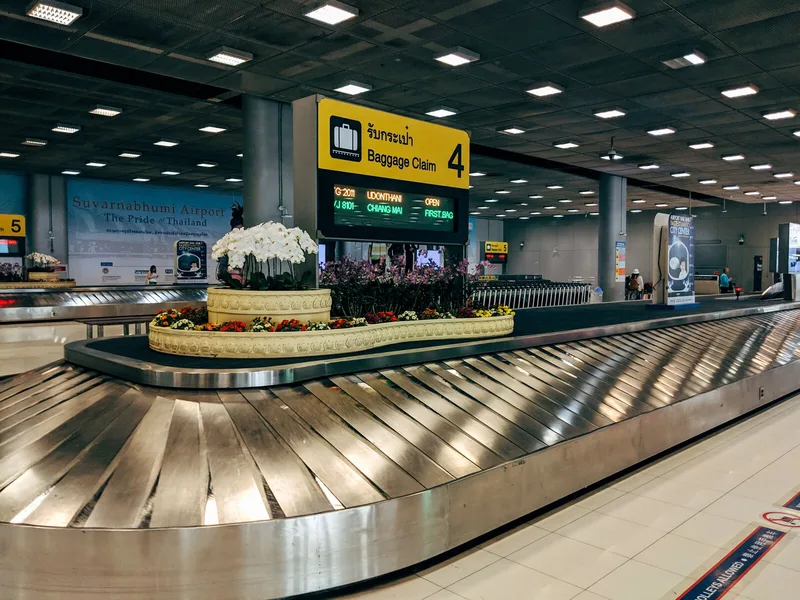
Airport luggage storage is useful when you arrive early, have a long layover, or want to leave the airport for several hours before an evening flight. But the details matter: terminal, floor, opening hours, payment method, size limits, and the time needed to return, collect bags, check in, and pass security.
Shanghai's official International Services portal advises travelers with a Shanghai layover to confirm with the airline whether checked luggage will be through-checked or must be retrieved. It also lists Pudong International Airport luggage storage locations and notes service hours, with one Terminal 2 departure-area location marked as 24 hours. Official source: Shanghai layover luggage storage FAQ.

Metro Lockers Can Be Convenient, But They Are Not Universal
Some metro systems and stations have self-service luggage lockers. They can be useful when the lockers are near the exact area you want to visit. They are less useful if the locker is inside a paid station area, if your suitcase is too large, if the station closes before you return, or if the locker app requires a payment setup you have not tested.
Shanghai's official English portal says Shanghai Metro expanded self-service luggage storage to 32 stations, 61 locations, and 1,760 lockers, with small, medium, and large sizes. It also notes that storage locations are within fare zones, passengers must go through security checks and purchase tickets before storing luggage, service hours follow station operating hours, and prohibited items cannot be stored. Official source: Shanghai Metro luggage storage information.
Different Cities and Airports Handle Lockers Differently
Do not assume that a storage rule you used in Shanghai will be identical in Beijing, Chengdu, Xi'an, Guilin, or another city. Locker size, payment, location, access hours, and whether storage is airport-run or third-party can vary.
Beijing's official English portal reported that Beijing Daxing International Airport introduced a self-service luggage locker system with medium and large compartments, located on the second floor near the domestic departure area's east-side information desk, and supporting WeChat and Alipay payments. Official source: Beijing Daxing Airport smart luggage lockers.
Plan Retrieval Time, Not Just Storage Time
The biggest risk with luggage storage is not always finding a locker. It is getting the bags back in time. Retrieval may involve walking back to the station, entering a paid area, passing security, waiting for an elevator, using a payment app, talking to staff, or handling a locker issue. Add time for this.
If you store luggage before a train, flight, or timed attraction, set a hard collection time. Do not leave collection until the last minute. For station and walking planning, read how to plan walking distances, stairs, and rest breaks during China travel.
Do Not Store Items That Could Create Security Problems
Luggage storage is not a way to hide prohibited or risky items. Lockers and staffed counters may reject flammable, explosive, toxic, dangerous, or otherwise prohibited goods. Metro storage in Shanghai specifically reminds passengers that stored luggage must comply with metro security requirements and that prohibited items are forbidden.
If you are carrying batteries, sprays, alcohol, tools, knives, unusual equipment, or souvenirs that could trigger questions, check the relevant transport or venue rules before storing or carrying them. For checkpoint planning, read how to prepare for security checks during China travel.
Early Hotel Arrival Needs a Separate Plan
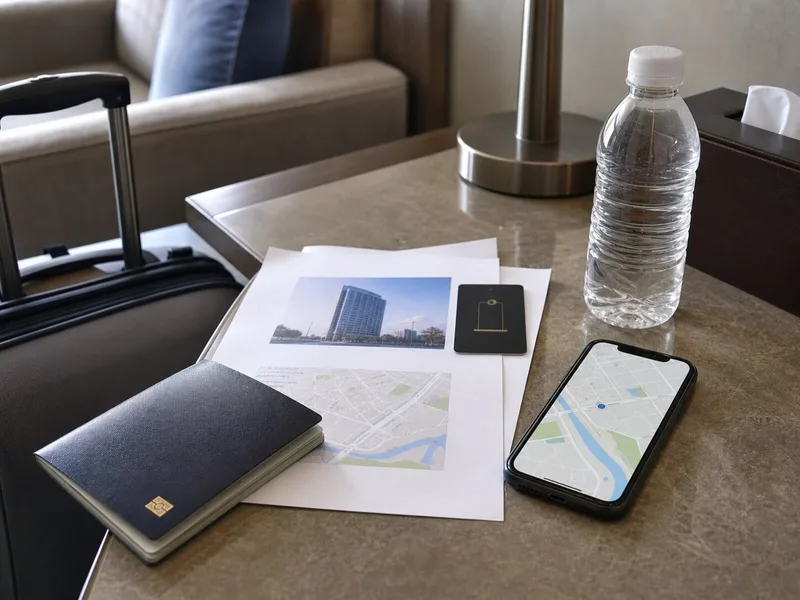
If your train or flight arrives in the morning, do not assume your room will be ready. The hotel may store luggage, but check-in may still depend on room availability, cleaning schedules, and local registration procedures. Keep one small day bag ready so you can wash up, change a layer, charge your phone, and leave the suitcase safely if the room is not available yet.
For arrival-day pacing, read how to plan a comfortable arrival day in China. If you arrive tired, it may be better to keep the first day simple instead of trying to turn the check-in gap into a full sightseeing day.
Hotel Registration Is Part of the Check-In Plan
Foreign visitors should keep passports accessible during check-in. Shanghai's official FAQ says foreign visitors staying in hotels, inns, guesthouses, schools, or other Chinese establishments should present a valid passport or residence permit and fill out temporary accommodation registration. Official source: Shanghai temporary accommodation registration FAQ.
A Shenzhen government English page also explains that foreigners staying at a hotel register at the hotel's reception desk, while those not staying at a hotel register at the local police station; it says foreigners who reside or stay in domiciles other than hotels should register within 24 hours after arrival. Official source: Registering your stay in China.
Plan Around Neighborhoods, Not Just Storage Points
The best luggage plan depends on where you want to spend the gap. If your hotel is near the old city but your evening train leaves from a distant station, storing bags at the hotel may create unnecessary backtracking. If the attraction is near a metro locker or airport link, storage closer to the next transport point may work better.
Think of the day as a triangle: hotel, activity area, departure point. The luggage location should reduce movement inside that triangle, not add another corner.
Keep a Backup If Storage Is Full or Inconvenient
Lockers can be full. Counters can close. A bag may not fit. A mini-program may not work smoothly for an international visitor. A station entrance may be more complicated than expected. Before committing to a sightseeing plan, decide what you will do if storage fails.
Good backups include returning to the hotel, choosing a simpler attraction with luggage storage, using a taxi instead of the metro, moving earlier to the station or airport, or changing the plan to a cafe, mall, or hotel lobby area where luggage is manageable.
Useful Phrases to Save
- Can I store my luggage here until this afternoon?
- What time does luggage storage close?
- Can this locker fit a 24-inch or 28-inch suitcase?
- Where do I collect my luggage?
- I need to take my passport and medicine out of the suitcase.
- Is this luggage storage inside the paid metro area?
- Can I pay with Alipay, WeChat Pay, or card?
- Please write the closing time and location for me.
Practical Checklist for a Check-Out Gap
- Confirm hotel luggage storage before check-out day.
- Keep passport, medicine, wallet, phone, chargers, and power bank with you.
- Check whether storage is near the hotel, attraction, station, or airport.
- Confirm storage hours, payment method, size limits, and retrieval process.
- Add walking, security, elevator, and queue time before your train or flight.
- Do not store prohibited, fragile, valuable, or urgently needed items.
- Save the storage receipt, locker code, QR code, or counter photo.
- Have a backup plan if lockers are full or the app does not work.
The Main Point
Luggage storage is not just a convenience detail. It shapes what you can do between check-out and the next check-in, how much walking the group can handle, and whether the day feels relaxed or rushed.
A good plan keeps essential items with you, stores the suitcase in a place that fits the route, and leaves enough time to collect bags before the next train, flight, hotel check-in, or reservation.