
Many first-time visitors underestimate how much walking a China travel day can involve. A map may show a short distance, but the real route can include a hotel lobby, curbside drop-off, security line, underground passage, ticket gate, escalator, long platform, attraction entrance, restroom detour, and another walk after arrival.
This guide explains how to plan walking distances, stairs, elevators, luggage, and rest breaks during a China trip. It is especially useful for families, older travelers, travelers with limited mobility, and anyone who wants a realistic pace instead of a day that looks easy only on paper.
Map Distance Is Not the Same as Travel Effort
A route that looks short may still be tiring. Large railway stations, airports, metro hubs, museums, old city streets, parks, and major attractions often require walking before the "main" visit even begins. If the day includes luggage, heat, rain, crowds, or children, the same route feels longer.
When planning, do not ask only "How far is it?" Ask: How many transfers are involved? Are there stairs? Will we carry bags? Is there a security check? Is the entrance close to the drop-off point? Can we sit down if someone gets tired?
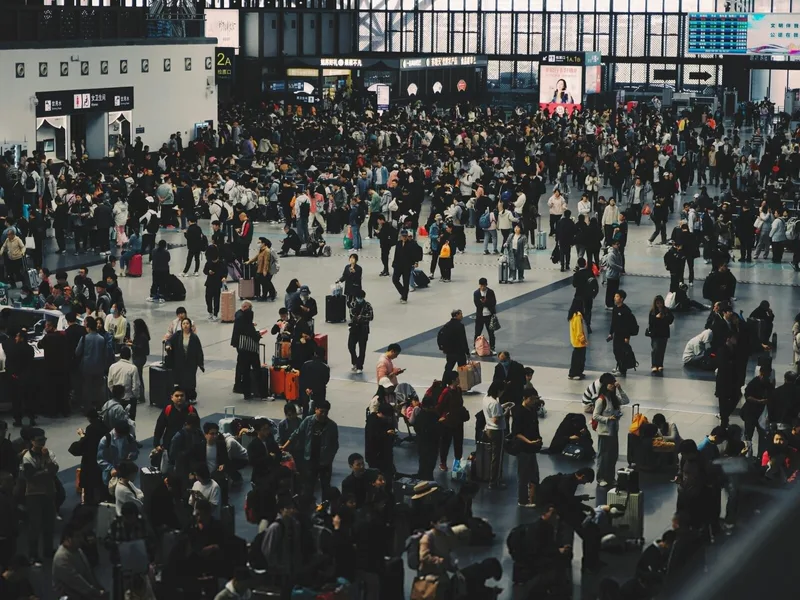
Choose Stations Carefully
Chinese cities may have several railway stations, and they can be far apart. A mistake between "Shanghai Railway Station", "Shanghai Hongqiao Railway Station", and "Shanghai South Railway Station" is not a small detail. It can change the taxi time, metro route, walking distance, and stress level of the whole day.
Shanghai's official International Services portal notes that the city has multiple railway stations and says travelers should confirm arrival and departure stations before traveling to avoid confusion and ensure a smooth journey. Official source: Guide to railway stations in Shanghai.
For broader station planning, read what to know about large railway stations in China.
Build Time for Station Movement
High-speed rail stations can involve several steps: finding the correct entrance, security screening, real-name ticket check, waiting hall, boarding gate, platform access, and sometimes a long walk to your carriage. The train may be fast, but the station process still needs time.
Do not plan a tight connection just because the train ride itself is short. If someone in your group walks slowly, uses a cane, carries children, or has large luggage, add more time before departure and after arrival. A relaxed station transfer is better than running through a crowded building with bags.
Metro Transfers Can Be Longer Than Expected
China's metro systems are efficient, but a transfer is not always a quick walk across a small platform. Some stations have long underground passages, multiple ticket halls, separate concourses, and exits that lead to different sides of a large road or district.
Shanghai's official metro guide says the city has one of the world's largest metro networks and describes a distance-based fare system. Official source: How to take metro in Shanghai. When comparing metro and taxi, include walking time inside stations, not only the ride time on the train.
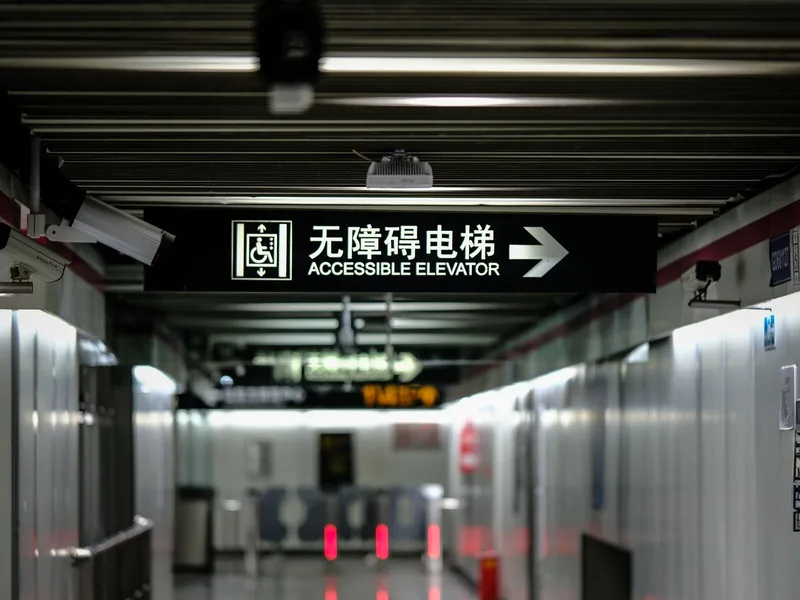
Elevators and Escalators Help, But Do Not Assume the Closest Exit Has One
Many stations and newer transport links have elevators, escalators, barrier-free gates, tactile paving, and wider entrances. Still, the most convenient elevator may not be at the exit closest to your destination. It may require a longer indoor route or a different gate.
Shanghai's Airport Link Line announcement says all seven stations have toilets, childcare units, blind pathways, barrier-free gates, and elevators. Official source: Shanghai Airport Link Line launch information. This is useful context, but travelers should still check the specific station, exit, and route they plan to use.
Luggage Changes Everything
A route that is fine with a small backpack can become difficult with two suitcases. Stairs, broken wheels, crowded elevators, escalator safety, narrow sidewalks, and long station corridors all become more important. Heavy luggage also slows down security checks and boarding.
On rail days, pack so that each person can manage their own essential items. Keep tickets, passports, phones, power banks, water, medicine, and snacks accessible. For more detail, read luggage tips for China high-speed rail travelers and how to prepare for security checks during China travel.
Plan Rest Breaks Before People Are Exhausted
Rest breaks work best when they happen before the group is already tired. Add short pauses after long station walks, before museum entry, after climbing steps, before a long taxi ride, and before dinner. A ten-minute sit-down can protect the rest of the day.
CDC Yellow Book guidance for travelers with chronic illnesses advises staying hydrated, wearing loose-fitting clothing, and walking and stretching at regular intervals during long-distance air or ground travel. Official source: CDC Yellow Book: Travelers with Chronic Illnesses.
Adjust the Day for Children and Older Travelers
Children and older travelers often need a different rhythm. They may be fine in the morning and tired after lunch. They may handle one long walk but not three in a row. They may also need restrooms, snacks, shade, fewer stairs, and more time to enter and exit transport.
Instead of filling the day with many stops, decide which visit matters most and make the rest of the day lighter. For groups with different energy levels, plan a nearby cafe, hotel rest period, or shorter route so the whole group is not forced into the hardest pace.
Accessibility Needs Should Be Planned Early
If someone uses a wheelchair, cane, stroller, hearing aid, medical device, or has limited stamina, do not wait until the day of travel to solve accessibility. Check station layouts, hotel entrances, attraction routes, restroom access, vehicle size, luggage handling, and whether assistance must be requested in advance.
CDC says travelers with disabilities can travel internationally with proper preparation and recommends advance planning to support safe and accessible travel. Official source: CDC Yellow Book: Travelers with Disabilities. For medical or mobility limits, follow your own clinician's advice and the rules of the airline, railway, hotel, or attraction you use.
Weather Makes Walking Harder
Heat, humidity, rain, winter cold, and poor visibility can turn an ordinary walk into a tiring one. In summer, underground transfers and attraction queues may feel hotter than expected. In rain, steps and station entrances can become slippery, and taxis may be harder to find.
Use weather as a reason to simplify the day, not just as a clothing note. Add shaded breaks, water stops, indoor alternatives, and extra time between transport and attractions. For more detail, read how to plan around weather during a China trip.
Attractions Can Require Long Internal Walking
A major attraction may begin only after you pass the entrance. Palaces, museums, parks, old towns, city walls, temples, and large scenic areas can involve long internal routes, steps, uneven surfaces, limited seating, and one-way walking flows.
Before booking a tight afternoon schedule, check whether the attraction itself is the physical activity of the day. If it is, keep the morning and evening lighter. For reservation and entry planning, read how to plan museum and popular attraction visits in China.
Simple Ways to Reduce Walking Stress
- Confirm the exact railway station, airport terminal, hotel entrance, and attraction gate.
- Check whether the route includes stairs, long transfers, or large underground passages.
- Use smaller luggage on movement days when possible.
- Keep passports, tickets, water, medication, and snacks easy to reach.
- Plan rest breaks before lunch, after station transfers, and before evening activities.
- Use taxis or ride-hailing for short but tiring connections when the group is low on energy.
- Ask hotels or stations about elevator access when mobility matters.
- Let one major attraction be enough for a physically demanding day.
Practical Checklist Before a Busy Day
- Look at the full route, including hotel exit, station entry, gates, platforms, and attraction entrances.
- Decide where the group can sit, eat, use restrooms, and refill water.
- Check weather and adjust walking routes before leaving the hotel.
- Pack light for the day and leave non-essential items at the hotel when possible.
- Save Chinese addresses and screenshots for taxi or ride-hailing fallback.
- Give older travelers, children, and people with mobility needs extra time.
- Use elevators and accessible routes where available, but do not assume every exit has them.
- Keep the evening flexible after a long walking day.
The Main Point
China travel becomes easier when you plan for the physical route, not just the map route. Stations, metro transfers, stairs, luggage, weather, and attraction walking can all add effort that does not show clearly in a simple itinerary.
A good day leaves enough time to move slowly when needed, sit down before people are exhausted, and choose a taxi or shorter route when the group has already spent its energy.