
Metro systems are one of the easiest ways to move around major Chinese cities, but first-time visitors can still feel unsure at the station entrance. The challenge is not usually the train itself. It is choosing a payment method, finding the right entrance and exit, handling luggage, reading transfer signs, and knowing when a short metro trip may still take longer than expected.
This guide explains how to think about metro travel in China as an international visitor. It uses Shanghai and Beijing as concrete examples, but the same planning logic applies in many large cities with metro networks.
Check the City, Line, and Payment Options Before You Go
Do not assume every Chinese metro system works exactly the same way. Some cities have excellent English signage, multiple payment routes, and airport connections. Others may be less familiar to international visitors. Before a metro-heavy day, check the city, station names, operating hours, fare method, airport or railway station connection, and the payment options that apply to your route.
Shanghai's official English portal explains several ways to pay for the metro, including Shanghai Metro Daduhui, single tickets, Shanghai Public Transportation Card, Suishenxing, and day passes. It also notes that international bank cardholders can buy tickets using POS machines at metro stations. You can read the official Shanghai page here: Shanghai Metro travel information.
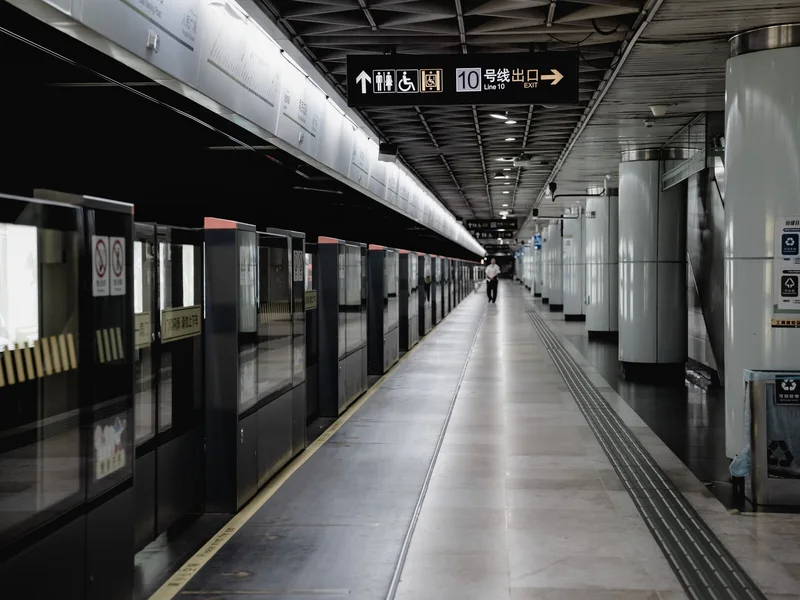
Choose a Payment Method Before the Station Gets Busy
A metro station is not the best place to set up a payment app for the first time. If you plan to use Alipay, WeChat Pay, a city transport app, a physical card, or an overseas bank card, check the setup before you are standing at a ticket machine with people behind you.
In Beijing, the official English website lists several ticket options: Beijing Pass for foreign tourists, Alipay metro QR code, ticket vending machines, and manned counters. It also explains that ticket machines may support WeChat, Alipay, credit cards, or cash depending on the station and line. See the official guide: How to Buy Tickets in Beijing Subway.
For general payment preparation, read how international travelers can pay in China and how to prepare for mobile payments in China.
Overseas Bank Cards Are Improving, But Still Check Locally
Beijing has made major upgrades for overseas card users. The Beijing government announced in 2025 that the city's urban rail transit system supports contactless tap-and-go access, ticket purchases, and top-ups with major card organizations, covering its operational lines and stations. That is a useful example of how inbound travel payment convenience is improving.
Still, do not treat one city's policy as a nationwide rule. Card support can vary by city, station, machine, gate, card issuer, mobile wallet, and recent system updates. If using an overseas bank card is important to your plan, check the local official page, station signage, or staff instructions before relying on it. The Beijing update is here: Beijing Subway supports tap-and-go with overseas cards.
Station Exits Matter as Much as the Station Name
Chinese metro stations can have many exits. Choosing the wrong exit may add a long walk, road crossing, staircase, or confusion with luggage. When going to a hotel, attraction, restaurant, hospital, office, or railway station, save the destination's Chinese address and the nearest exit if you can find it.
If the destination is a large complex, the station name alone may not be enough. Shopping malls, railway stations, airports, parks, and scenic areas can have multiple entrances. Check the exit before leaving the paid area, because turning back after exiting may require another ticket or extra walking.
For address preparation, use how to prepare Chinese addresses before your trip.
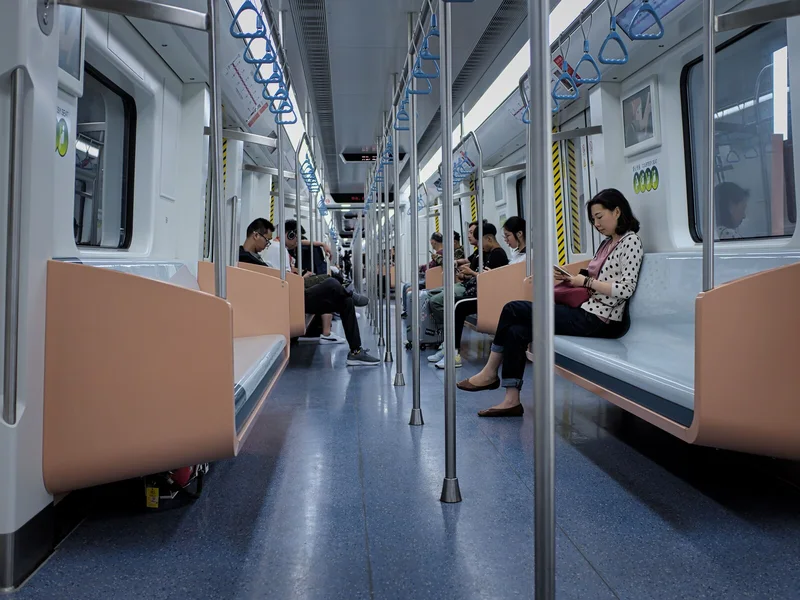
Transfers Can Take Real Walking Time
Some metro transfers are short. Others involve long corridors, escalators, stairs, crowd flow, and several minutes of walking. A map may show a simple line change, but the station layout can still make it tiring, especially with luggage or during peak hours.
If your route includes a train station, airport connection, timed attraction entry, or dinner reservation, add buffer time. A metro route that looks like 25 minutes on an app can become longer when you include walking to the station, security or bag checks if present, ticket setup, platform waiting, transfer walking, and the final exit.
This is the same planning logic covered in why a realistic China itinerary needs buffer time.
Think Carefully Before Taking Large Luggage on the Metro
The metro can be efficient, but it is not always comfortable with large luggage. Elevators may be busy or hard to find. Some exits may have stairs. Carriages can be crowded. Long transfers can become tiring. During rush hour, a suitcase can make the trip stressful for you and inconvenient for other passengers.
If you have one manageable suitcase and a simple route, the metro may work well. If you have several bags, young children, older travelers, a late arrival, or a complicated transfer, a taxi or ride-hailing option may be more practical. For rail-related luggage thinking, see luggage tips for China high-speed rail travelers.
Use Signs, Line Colors, and Destination Direction Together
Most large city metro systems use line numbers, colors, station names, and terminal directions. Do not only look at the line number. Check the direction of travel by looking at the terminal station or the next few stations on the platform display. This helps avoid boarding the right line in the wrong direction.
Before getting on the train, confirm three things: the line, the direction, and the number of stops or transfer station. If you are using a map app, keep the route visible offline or screenshot the key station names. Station names can be easier to match visually when you have both English and Chinese on your phone.
Plan Around Rush Hours and Last Trains
Rush hour can make metro travel much slower and less comfortable. If you are carrying luggage, traveling with a group, or visiting a station near an office district, school area, railway station, or major attraction, avoid the busiest commuting periods when possible.
Last train times also matter. Do not assume late evening metro service is available everywhere or that every line runs equally late. If you plan dinner, a show, nightlife, or a late airport or railway arrival, check last train times in advance and keep a taxi or ride-hailing backup.
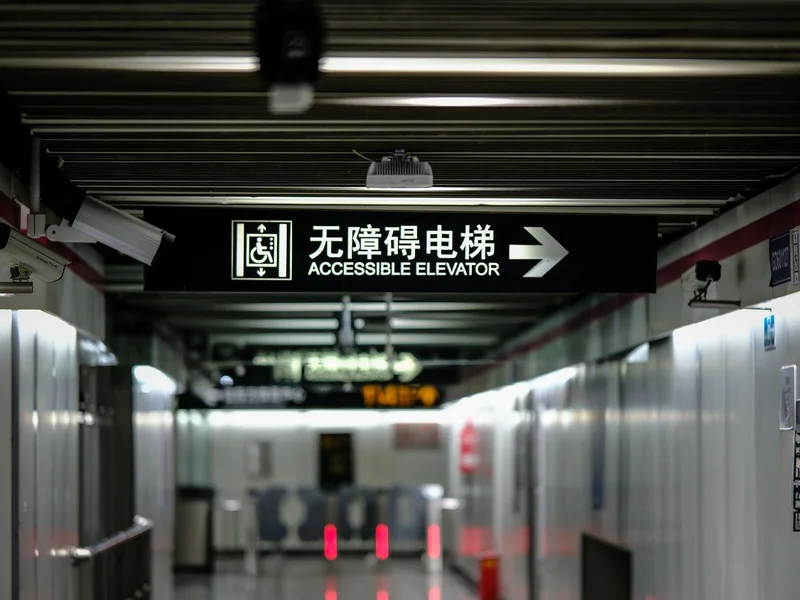
Accessibility and Family Travel Need Extra Time
Many metro stations have elevators, ramps, tactile paving, and accessible routes, but the easiest accessible entrance may not be the closest entrance. Families with strollers, older travelers, wheelchair users, and travelers with heavy bags should allow more time to find elevators and move through stations.
If an accessible route is essential, check station maps or ask staff. Do not build a tight transfer around the assumption that every staircase has a nearby elevator. In large stations, the correct accessible route may require a different entrance, exit, or corridor.
A Practical Metro Checklist
- Check the city-specific metro payment options before departure.
- Prepare Alipay, WeChat Pay, city transport app, pass, card, or cash backup before entering the station.
- Save the destination's Chinese address and nearest metro exit.
- Confirm the line, direction, and transfer station before boarding.
- Add walking time for transfers and large stations.
- Avoid rush hour if carrying luggage or traveling with a group.
- Check last train times for evening plans.
- Use elevators and accessible routes early if needed, not at the last minute.
The Main Point
China's metro systems can make city travel much easier, especially in Beijing, Shanghai, Guangzhou, Shenzhen, Chengdu, Xi'an, Hangzhou, and other major cities. The key is to prepare the payment method, station exit, transfer route, and backup plan before the station becomes crowded.
Once those basics are ready, the metro is often one of the most predictable ways to move through a Chinese city.